
DUI Manslaughter Lawyer Tampa, FL
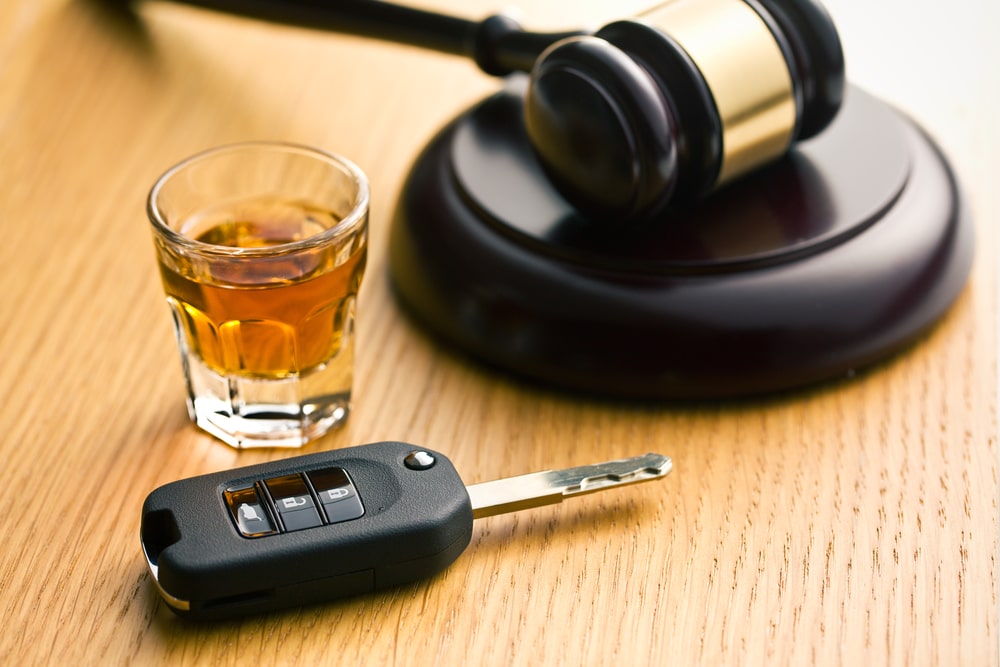
DUI manslaughter is a second-degree felony in Florida. Conviction means prison. The mandatory minimum is four years, and the maximum reaches 15. If you left the scene, the charge becomes a first-degree felony. Thirty years becomes possible.
These cases do not resolve easily. Prosecutors face pressure from victim families and advocacy organizations. Judges approach sentencing with the knowledge that someone died. And Florida law removes much of the discretion that exists in other felony cases.
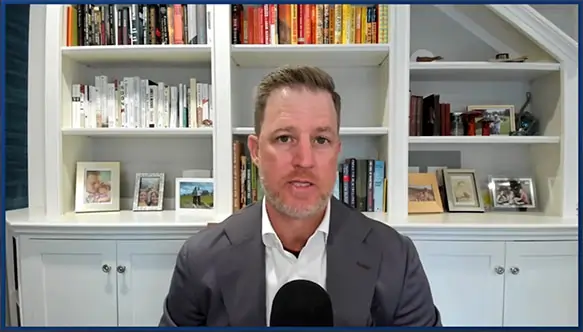
Our Tampa, FL DUI manslaughter lawyer at StechLaw Criminal Defense has spent nearly 15 years handling serious criminal cases in Hillsborough County. We understand what you’re facing. We offer free consultations and begin building defenses immediately.
Why Choose StechLaw Criminal Defense for DUI Manslaughter in Tampa, FL?
Board-Certified Criminal Trial Lawyer
Ben Stechschulte holds board certification in criminal trial law from The Florida Bar. That credential belongs to fewer than 1% of attorneys in this state. Earning it required an extensive written examination, documented trial experience, and peer evaluations from judges and fellow attorneys who have watched him work.
DUI manslaughter cases go to trial more often than other DUI charges. When someone has died, prosecutors rarely extend generous plea offers. They expect to try these cases. Ben has brought over 60 cases to verdict. He knows the local courtrooms and how to present a compelling defense to the jury.
Super Lawyers® magazine named Ben a Rising Star in 2015. That recognition goes to the top 2.5% of Florida attorneys under 40.
Felony Defense Experience in Hillsborough County
Ben graduated from Stetson University College of Law. The program consistently ranks among the best in the country for trial advocacy. He has practiced DUI defense in Tampa FL for close to 15 years now.
Felony cases move through a different system than misdemeanors. Different prosecutors handle them. Different judges preside. Procedures differ. Timelines stretch longer. A DUI defense lawyer in Tampa, FL who works in felony court regularly understands these distinctions. Someone unfamiliar with local practice will miss things.
Resources for Serious Cases
DUI manslaughter defense requires more than reviewing police reports and negotiating pleas. These cases involve accident reconstruction analysis, toxicology challenges, medical evidence regarding cause of death, and constitutional arguments about the investigation itself.
That takes resources. StechLaw Criminal Defense approaches these cases knowing prison is a real possibility and that every viable defense angle deserves exploration.
Free Consultations
We don’t charge for initial meetings on DUI manslaughter cases. The stakes are too high for you to make decisions without information. Ben will provide an honest assessment of your situation, what defenses might apply, and what the process ahead looks like.
⭐⭐⭐⭐⭐
“Ben Stechschulte and his team provide top notch services. Ben is very professional, dependable and an expert in criminal defense. I refer anyone in need of legal assistance on criminal matters to him, without equivocation.” – David Miller
Read more reviews on our Google Business Profile.
Types of DUI Manslaughter Cases We Handle in Tampa
Florida addresses DUI-related deaths through several statutes. Which one applies to you determines penalties, procedures, and defense options.
- Leaving the scene after DUI manslaughter. This elevates everything. First-degree felony. Maximum imprisonment jumps to 30 years. The four-year mandatory minimum remains, but prosecutors and judges treat these cases with particular severity. Leaving signals consciousness of guilt. Juries don’t forgive it easily.
- Vehicular homicide. Florida Statute 782.071 covers deaths caused by reckless driving likely to cause death or great bodily harm. No impairment required. Same second-degree felony classification. Same 15-year maximum. Prosecutors sometimes file vehicular homicide when DUI evidence is weaker but recklessness is clear.
- Vessel BUI manslaughter. Same penalties as vehicle DUI manslaughter apply to boats. Tampa Bay has extensive waterways. Recreational boating is common. So are boating under the influence charges, including fatal cases.
- DUI serious bodily injury. Third-degree felony. Up to five years in prison. Not a homicide charge, but the evidence and defense strategies overlap considerably. Sometimes the difference between injury and death came down to factors no one controlled.
- Multiple fatalities. Each death is a separate count. Sentences can run consecutively. Two deaths could mean eight years minimum. Three deaths, twelve. These prosecutions are the most serious DUI cases that exist.
Florida Legal Requirements for DUI Manslaughter Cases
Florida Statute 316.193 establishes DUI manslaughter within the broader DUI framework. The elements prosecutors must prove create the openings for defense.
What the State Must Prove
The state must prove four elements beyond a reasonable doubt.
First, you drove or had actual physical control of a vehicle. Second, you were impaired by alcohol or drugs to the extent normal faculties were affected, OR your blood or breath alcohol measured 0.08% or higher. Third, your operation of the vehicle caused or contributed to the death. Fourth, someone actually died as a result of the crash.
The Mandatory Minimum
The mandatory sentencing minimum is four years in a state prison. This is not a recommendation, and judges cannot offer a lesser penalty. First-time offenders with clean records, strong family support, and compelling mitigation still face four years minimum.
The only statutory exception involves substantial assistance to law enforcement in unrelated investigations. That rarely applies in DUI manslaughter situations.
Sentencing Guidelines
Beyond the mandatory minimum, Florida’s Criminal Punishment Code calculates recommended sentences. DUI manslaughter is a Level 8 offense on a 10-level scale (high severity). Prior criminal history increases the calculation, as does the presence of multiple victims and leaving the scene.
Guideline calculations often recommend sentences well above the four-year minimum.
Leaving the Scene
If you leave the scene, the degree of charges and maximum sentencing amounts change. The mandatory minimum stays at four years, but most sentences run much higher. Prosecutors view leaving as an aggravating factor that warrants maximum punishment. Juries agree.
License Revocation
Conviction means permanent revocation. Florida Statute 322.28 mandates this. After five years, you can petition for hardship reinstatement. The DMV doesn’t have to grant it, and many petitions fail.
Defense Strategies in Tampa DUI Manslaughter Cases

DUI manslaughter prosecutions involve forensic evidence, constitutional law, and medical causation. StechLaw Criminal Defense examines all of them to identify weaknesses in the State’s case against you.
Causation Challenges
The state must prove impaired driving caused the death. That connection is not always clear.
Maybe the other driver ran a red light. Maybe road conditions caused the accident or a third party’s actions intervened. Accident reconstruction experts analyze physical evidence, like skid marks, damage patterns, debris fields, and electronic data from vehicle computers. Sometimes reconstruction tells a different story than the police report.
Medical causation matters too. Did the crash cause death, or did something else? Pre-existing conditions, delayed medical treatment, and intervening medical errors can create reasonable doubt.
Attacking Impairment Evidence
If the prosecution can’t prove impairment, there is no DUI manslaughter. Standard DUI defenses apply here.
Breath test challenges target machine calibration, operator certification, observation periods, and testing protocols. Florida’s Intoxilyzer 8000 needs regular maintenance. When maintenance lapses or calibration drifts, breath test accuracy becomes questionable.
Blood tests face chain of custody scrutiny. Who drew the blood? Using what equipment? How was it stored? Who handled it between draw and testing? What protocols did the lab follow? We subpoena records. Sometimes we hire independent toxicologists to review everything.
Field sobriety tests present their own issues. Officers skip steps. They give incomplete instructions. They score subjectively. And crash injuries can mimic impairment signs. Someone who just survived a serious accident may perform poorly on balance tests for reasons having nothing to do with alcohol.
Constitutional Violations
Fourth Amendment protections apply. Unreasonable searches and seizures can result in evidence suppression.
In accident cases, officers typically arrive after the crash. But constitutional requirements still govern the investigation. Blood draws need warrants or valid exceptions. Questioning must comply with Miranda. We review body camera footage and reports looking for violations.
When officers obtain evidence improperly, courts can exclude it. Excluding key evidence can mean dismissal.
Miranda Issues
Officers must provide Miranda warnings before custodial interrogation. When does custody begin at an accident scene? That question gets litigated. Statements made before proper warnings may be inadmissible. Our attorney analyzes the timing and circumstances of every statement.
Blood Draw Challenges
Florida requires consent or a warrant for blood draws, with narrow exceptions. Hospital blood draws for medical treatment don’t automatically become evidence. Separate consent or warrants are needed.
Even properly authorized draws can be challenged. Collection technique, storage conditions, testing protocols matter, and chain of custody are all relevant. Any misconduct creates grounds for challenge.
Rising Blood Alcohol
Alcohol takes time to absorb fully. If you were tested an hour after the accident, your BAC at testing might have been higher than your BAC while driving. This “rising blood alcohol” defense can create reasonable doubt about whether you were actually over the limit when behind the wheel.
Toxicology Issues in Drug Cases
For drug DUI manslaughter, the science becomes murkier. No clear correlation exists between drug concentration and impairment the way it does with alcohol. Marijuana metabolites stay detectable for days or weeks after impairment ends. We work with toxicology consultants to challenge prosecution claims about drug impairment.
What Steps Should I Take After a Tampa DUI Manslaughter Arrest in Tampa?
Arrests usually happen at the scene or shortly after. Investigation continues for weeks, sometimes months. Your actions during this period affect your defense.
- Say nothing. You have the right to remain silent. Politely decline to discuss the accident or your activities beforehand. Request a lawyer and stop talking. Everything you say becomes evidence.
- Don’t consent to searches. Officers may ask to search. You can refuse. They might search anyway under claimed exceptions or with a warrant, but refusing preserves your ability to challenge the search later.
- Request an attorney before blood draws. Officers will want blood samples in fatal cases. Requesting an attorney doesn’t necessarily stop the draw, but it preserves constitutional challenges.
- Contact a DUI manslaughter lawyer immediately. Time matters. Evidence degrades. Vehicles get repaired or scrapped. Witnesses forget. Skid marks fade. Early attorney involvement means early independent investigation.
- Document what you remember. Write it down and don’t share your account with anyone other than your lawyer. Memory fades fast, and details matter.
- Identify witnesses. Anyone who saw you before driving. Anyone at the scene. Their information could matter.
- Stay off social media. Post nothing about the accident. Nothing about your case. It could be used against you. Prosecutors check.
- Follow bond conditions exactly. DUI manslaughter bonds come with strict conditions. GPS monitoring. House arrest. Absolute sobriety. Violations mean jail and make everything harder.
- Appear at every court date. Missing court in a felony case triggers warrants and typically pretrial detention.
- Prepare for a long process. These cases take a year or more. Multiple hearings. Extensive discovery. Possible trial. It’s a marathon.
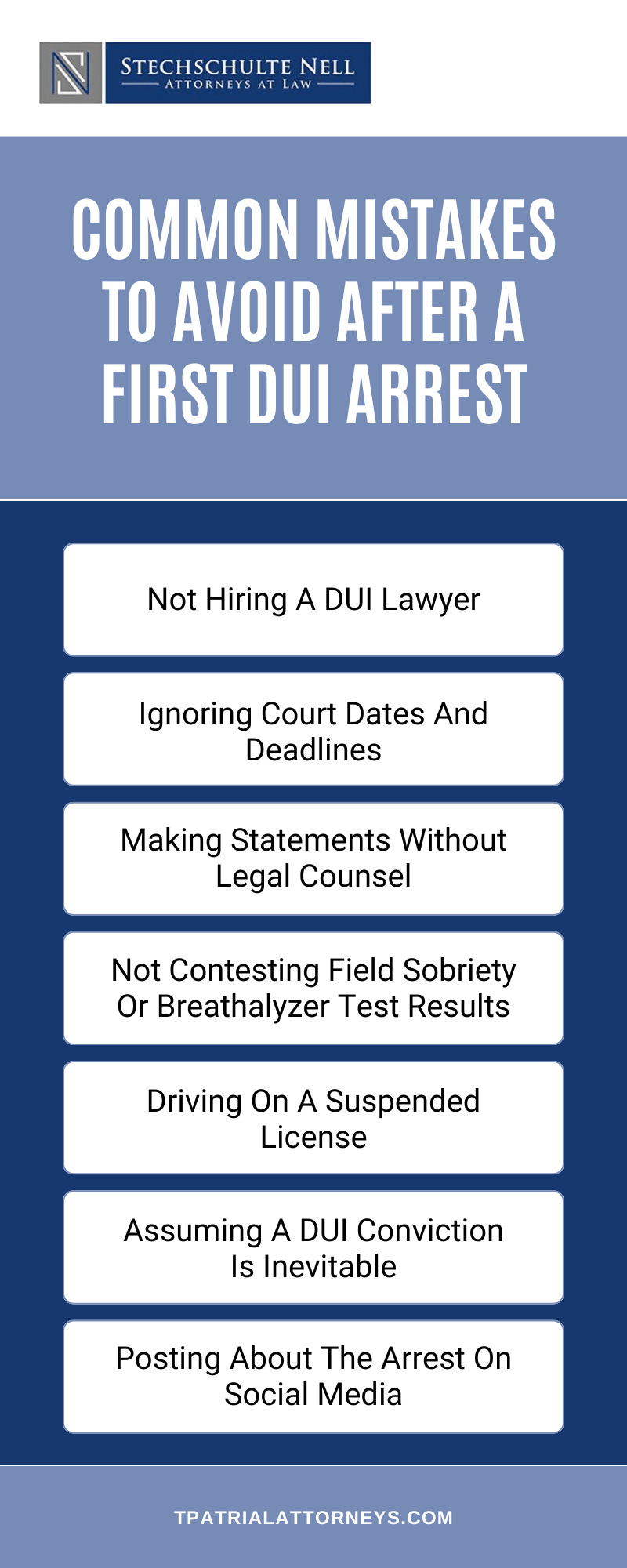
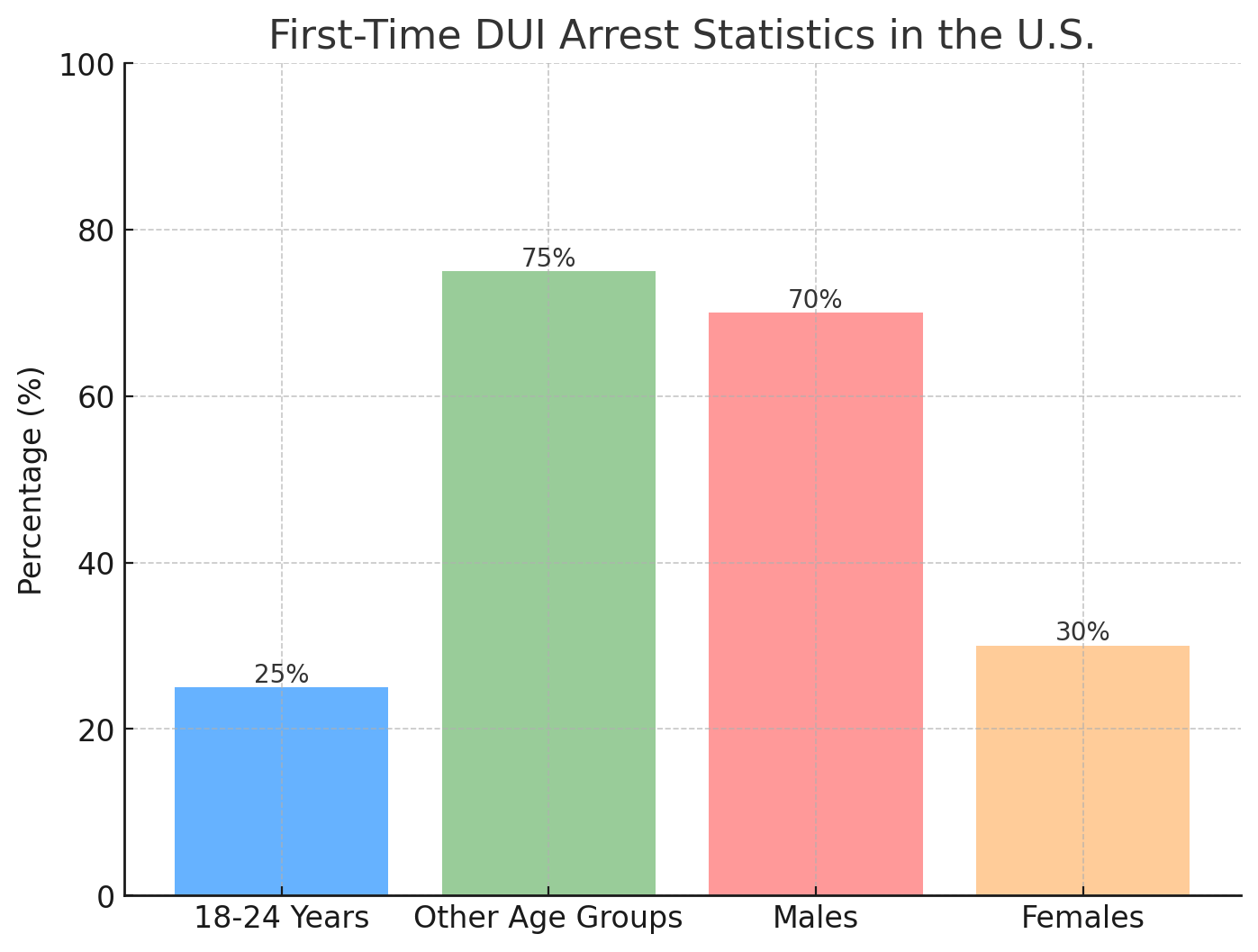
Tampa First Time DUI Infographic
DUI Manslaughter Statistics and Enforcement in Tampa
Hillsborough County prosecutes these cases aggressively. Understanding the environment helps frame realistic expectations.
The Florida DHSMV documented hundreds of alcohol-related traffic fatalities statewide in recent years. Hillsborough County’s large population and road network mean it sees a significant share.
NHTSA reports that roughly one-third of all traffic deaths nationwide involve alcohol impairment. That statistic drives federal funding priorities and local enforcement emphasis.
Tampa’s State Attorney maintains prosecutors who handle vehicular homicide cases regularly. They work with Florida Highway Patrol accident reconstruction teams. They have relationships with state toxicology laboratories. They know these cases.
The CDC frames alcohol-impaired driving as a leading preventable cause of death. Courts hear this perspective constantly. It shapes judicial attitudes toward sentencing.
MADD and similar victim advocacy organizations monitor DUI manslaughter cases. They attend hearings. They submit impact statements. Their involvement affects the political environment prosecutors work within.
Conviction rates at trial run high. Juries struggle to acquit when someone dies. That reality influences strategy. But it also means prosecutors sometimes overreach in cases where evidence is weaker than it appears.
Tampa DUI Manslaughter Lawyer FAQs
What is the mandatory minimum for DUI manslaughter?
Four years in state prison. No exceptions based on circumstances, character, or criminal history. Judges cannot sentence below this floor.
What’s the maximum sentence?
Standard DUI manslaughter carries up to 15 years. If you left the scene, the maximum increases to 30 years.
Can charges be reduced?
Depends on the evidence. Reduction to vehicular homicide drops the impairment element but keeps felony status. Reduction to simple DUI happens when causation evidence is weak. Dismissal occurs when the state cannot prove required elements. Every case differs.
What separates DUI manslaughter from vehicular homicide?
Impairment. DUI manslaughter requires proof you were under the influence. Vehicular homicide requires proof of reckless driving but not impairment. Same felony level. Similar penalties. Different evidence requirements.
Will I go to prison?
If convicted, yes. The mandatory minimum guarantees at least four years. Defense focuses on avoiding conviction or minimizing the sentence above that floor.
Can I get probation instead?
No. The mandatory minimum requires actual imprisonment. Probation cannot substitute. It may follow prison release, but prison comes first.
What if the other driver caused the crash?
Causation is an element. If evidence shows the other driver caused it, your impairment becomes less relevant. Independent accident reconstruction can establish alternative causation theories.
What if I wasn’t impaired?
Then DUI manslaughter shouldn’t apply. Challenge breath tests. Challenge blood tests. Challenge field sobriety observations. Without proof of impairment, the charge fails.
Does having no criminal history help?
Not for the mandatory minimum. First-time offenders face four years just like repeat offenders. Criminal history does affect sentencing above the minimum.
What happens to my license?
Permanent revocation. After five years, you can petition for hardship reinstatement. The DMV decides whether to grant it. Many license revocations remain in effect permanently.
Can I get a bond?
Usually. Bond amounts for DUI manslaughter run high. Conditions are strict. GPS monitoring. House arrest. No alcohol. Passport surrender. Violations mean revocation.
How long does a case take?
Twelve to twenty-four months typically. Complex cases take longer. Trials extend timelines further. The felony process moves slowly.
Should I talk to investigators?
No. Nothing you say helps you. Everything you say can hurt you. Politely decline. Request an attorney.
What defenses work?
Causation challenges. Breath and blood test challenges. Constitutional violations. Miranda issues. Defense strategies depend entirely on case-specific facts.
Can a conviction be expunged?
Never. DUI manslaughter convictions remain on your record permanently. No exceptions exist under Florida law.
What Happens During a Tampa DUI Manslaughter Case

Felony DUI manslaughter has a different legal path than misdemeanor charges.
Investigation and Arrest
DUI manslaughter investigations typically continue well after the initial arrest. Accident reconstruction analysis requires weeks to complete. Toxicology results from state laboratories take even longer. Investigators gather witness statements over an extended period, and vehicle data extraction and analysis adds additional time to the process.
This extended investigation period affects both sides. Prosecutors use it to build their case. Defense attorneys who get involved early can conduct parallel investigations, preserving evidence and identifying witnesses before critical information disappears.
First Appearance
Within 24 hours of arrest, you appear before a judge who addresses the bond. Given the severity of DUI manslaughter charges, prosecutors typically request substantial bond amounts with restrictive conditions including GPS monitoring, house arrest, and absolute sobriety requirements. Having counsel at first appearance can significantly improve bond outcomes.
Arraignment
At arraignment, the court formally reads the charges against you and requests your plea. We enter a plea of not guilty and file requests for discovery. This hearing is procedural rather than substantive, but it initiates the formal legal process.
Discovery
Florida law requires the state to disclose its evidence. This includes police reports, accident reconstruction analyses, toxicology results, witness statements, vehicle data extractions, and medical records regarding the deceased.
Our review of discovery materials is exhaustive. When warranted, we retain independent accident reconstruction specialists and toxicology consultants to evaluate the state’s evidence. We conduct our own witness interviews. This phase determines which defenses are viable and how to proceed strategically.
Motion Practice
When our investigation reveals problems with the state’s case, we file appropriate motions. Motions to suppress challenge illegally obtained evidence. Motions to dismiss argue the state cannot prove required elements. Motions in limine seek to exclude prejudicial material from trial.
Successful motions can result in case dismissal. Even unsuccessful motions help frame what evidence will be presented and how the trial will proceed.
Negotiation
Mandatory minimums constrain what prosecutors can offer, but negotiation remains relevant. Charge reductions affect both immediate and collateral consequences. Sentencing recommendations influence where within the guideline range a judge will land. Conditions of post-release supervision affect how you serve your sentence.
Effective negotiation in DUI manslaughter cases requires demonstrating genuine willingness to proceed to trial. Prosecutors reserve their best offers for defense attorneys who have shown they will actually try cases when necessary.
Trial
DUI manslaughter trials typically last a week or longer. Jury selection carries particular importance because jurors must evaluate technical evidence objectively despite the emotional weight of a death case. Expert witnesses testify regarding accident reconstruction, toxicology, and medical causation. Ben Stechschulte’s record of 60+ jury trials includes substantial experience presenting complex technical defenses to lay juries.
Sentencing
Following conviction, the court proceeds to sentencing. Victim family members present impact statements. Defense counsel presents mitigating factors and arguments for the lowest appropriate sentence. Florida’s sentencing guidelines establish recommended ranges based on offense severity and criminal history. The judge sentences within applicable parameters, but the four-year mandatory minimum cannot be reduced regardless of mitigation presented.
What Are Important Resources for Tampa DUI Manslaughter Cases?
The following may be relevant. Listing does not constitute endorsement.
Hillsborough County Clerk of Court – (813) 276-8100 – Case status and records.
Hillsborough County Sheriff’s Office – (813) 247-8200 – Arrest records and incident reports.
Florida Highway Patrol – Accident investigation for state road crashes.
Florida Department of Law Enforcement – Crime lab services including toxicology.
Tampa Police Department – (813) 231-6130 – Crashes within city limits.
StechLaw Criminal Defense is not affiliated with these organizations.
StechLaw Criminal Defense, Tampa First Time DUI Lawyer
1105 W Swann Ave, Tampa, FL 33606
Contact StechLaw Criminal Defense
DUI manslaughter charges carry consequences that reach into every corner of your future.
Prosecutors must prove their case. Evidence can be challenged. Causation can be disputed. Constitutional violations can result in suppression. Reasonable doubt can be established.
StechLaw Criminal Defense offers free consultations for DUI manslaughter cases. Contact us to schedule a meeting with our Tampa DUI manslaughter lawyer. Ben Stechschulte will review your situation and give you an honest assessment. Early investigation preserves options. The sooner we start, the more we can do.