

 Last Updated: 06-12-2026
 Read Time – Est:

Tampa Theft Lawyer
Board-Certified Criminal Defense Attorney in Tampa, FL
Being accused of theft can have serious consequences that affect far more than your criminal record. A conviction can damage your reputation, threaten your job, and make it harder to secure housing or employment in the future. At StechLaw Criminal Defense, our lead attorney Ben Stechschulte is a board-certified criminal trial lawyer and former prosecutor who has handled hundreds of theft-related cases throughout Tampa and Hillsborough County.
We understand that one mistake or misunderstanding should not define your life. Whether you are facing a shoplifting charge, employee theft accusation, or complex fraud case, we build a defense strategy designed to protect your rights and future.
Understanding Theft Charges in Florida
Under Florida Statute §812.014, theft is defined as knowingly obtaining or using another person’s property with intent to deprive them of it, either temporarily or permanently. The seriousness of a theft charge depends on the value of the property and circumstances of the offense.
Common theft-related charges include:
- Petit theft – property valued under $750 (a misdemeanor).
- Grand theft in the third degree – $750 – $20,000, or certain property types like motor vehicles or firearms.
- Grand theft in the second degree – $20,000 – $100,000.
- Grand theft in the first degree – property over $100,000, punishable by up to 30 years in prison.
- Retail theft or shoplifting – removal or concealment of merchandise without paying.
- Embezzlement, fraud, or employee theft – more complex cases involving financial records and intent.
Each charge carries unique penalties, including jail time, probation, restitution, and a permanent criminal record. Our goal is to identify weaknesses in the prosecution’s case and minimize or eliminate these consequences.
Why Early Legal Representation Matters
Theft investigations often begin long before an arrest. Loss-prevention officers, employers, or law enforcement may collect surveillance video, receipts, and witness statements. In many cases, an attorney can intervene before charges are officially filed to negotiate alternatives such as repayment, civil compromise, or pretrial diversion.
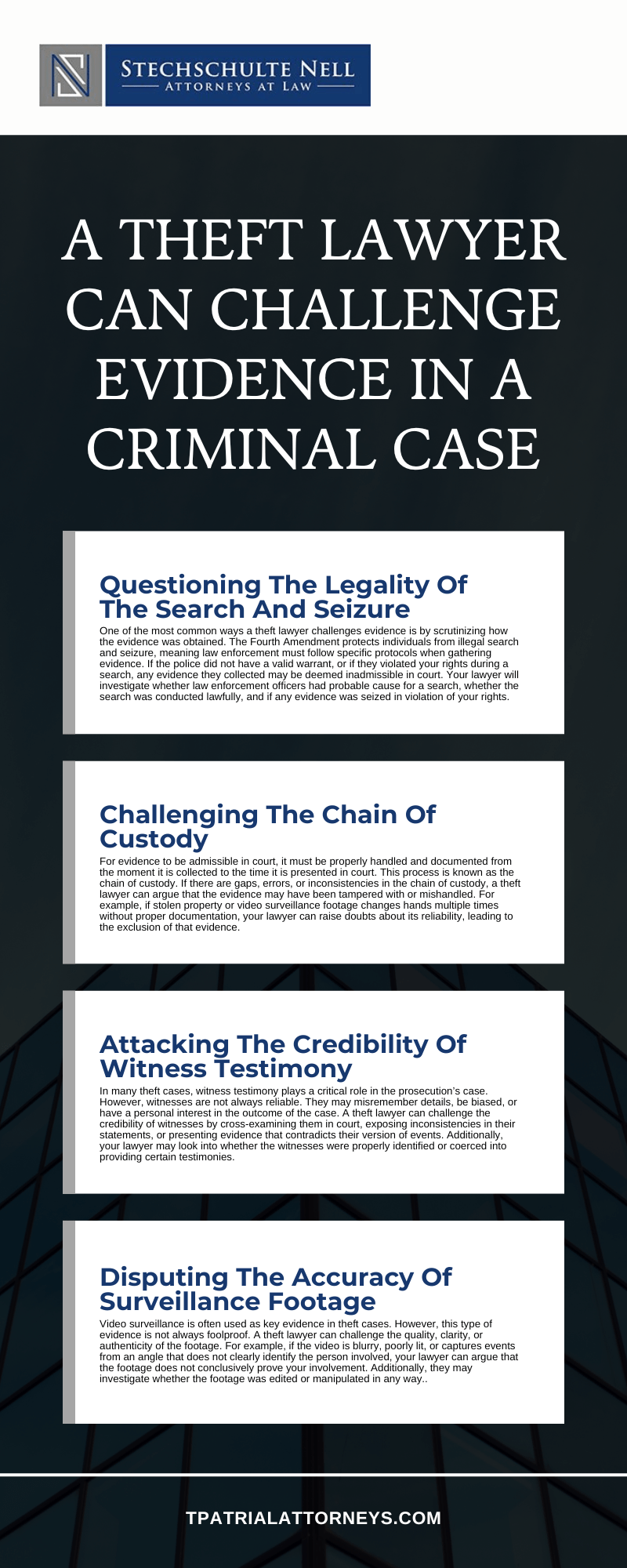
Once charges are filed, having an experienced defense attorney on your side ensures that evidence is reviewed for constitutional violations, improper procedures, or misidentification. We move quickly to preserve surveillance footage, question witness credibility, and challenge assumptions of intent — often the most contested element in theft cases.
Consequences of a Theft Conviction
A theft conviction in Florida can have lasting effects far beyond the immediate penalties. Consequences may include:
- Jail or prison time depending on the degree of theft.
- Restitution payments to alleged victims.
- Probation with community-service requirements.
- Permanent criminal record affecting employment, licensing, and housing.
- Driver’s-license suspension for certain theft-related offenses.
- Loss of trust and professional reputation.
Our goal is to resolve your case in a way that protects your record, preserves your freedom, and allows you to move forward without a permanent stigma.
What to Expect After a Theft Arrest
- Booking and First Appearance
After an arrest, you’ll appear before a judge within 24 hours. The judge decides whether to release you on bail and what conditions to impose. We advocate for release on recognizance or the lowest possible bond. - Formal Charges and Discovery
The State Attorney’s Office reviews police reports and evidence to decide which charges to file. During discovery, we analyze every document, witness statement, and video to identify inconsistencies. - Pretrial Motions
We may file motions to suppress evidence obtained illegally, challenge unreliable witnesses, or request dismissal for insufficient proof. - Negotiation and Resolution
Many theft cases are resolved through negotiation — such as plea reductions, pretrial diversion, or community-service agreements. Our negotiation approach focuses on protecting your record and future employability. - Trial Preparation
If your case proceeds to trial, we prepare thoroughly — from jury selection to cross-examination. As a board-certified trial lawyer, Ben Stechschulte’s courtroom experience ensures your defense is precise and persuasive.
Common Defense Strategies in Theft Cases
Every theft case has its own facts and context. We tailor our approach to the circumstances, often using one or more of the following strategies:
- Lack of intent: showing that the accused had no plan to permanently deprive the owner of property.
- Mistaken identity: challenging witness reliability or video evidence.
- Ownership or right to possession: proving that the property belonged to, or was believed to belong to, the defendant.
- Duress or coercion: demonstrating that the act occurred under threat or pressure.
- Procedural violations: uncovering unlawful searches, lack of probable cause, or improper detainment.
- Diversion or restitution agreements: negotiating alternatives that avoid criminal conviction.
Because theft allegations often rely on circumstantial evidence, a strong factual and legal defense can make the difference between conviction and dismissal.
Tampa Theft Infographic
Tampa Theft Statistics
Theft remains a prevalent property crime in the United States, encompassing various offenses such as larceny-theft, motor vehicle theft, and burglary. According to the Federal Bureau of Investigation (FBI), larceny-theft accounted for an estimated 73.4% of all property crimes in 2019, with approximately 5.1 million incidents reported nationwide. The average value of property stolen in these offenses was $1,162 per incident, resulting in a total estimated loss of $5.9 billion.
Motor vehicle theft is another significant concern, with the FBI reporting 810,400 vehicles stolen in 2020, leading to property losses estimated at $7.4 billion. Burglary, while less common, still poses a threat, accounting for 13.8% of property crimes in 2022.
Recent trends indicate a decline in overall property crime rates, including theft-related offenses. However, certain types of theft, such as retail theft, have seen increases. For instance, the National Retail Federation reported a 93% surge in retail theft since the COVID-19 pandemic, with losses totaling $121.6 billion in 2023.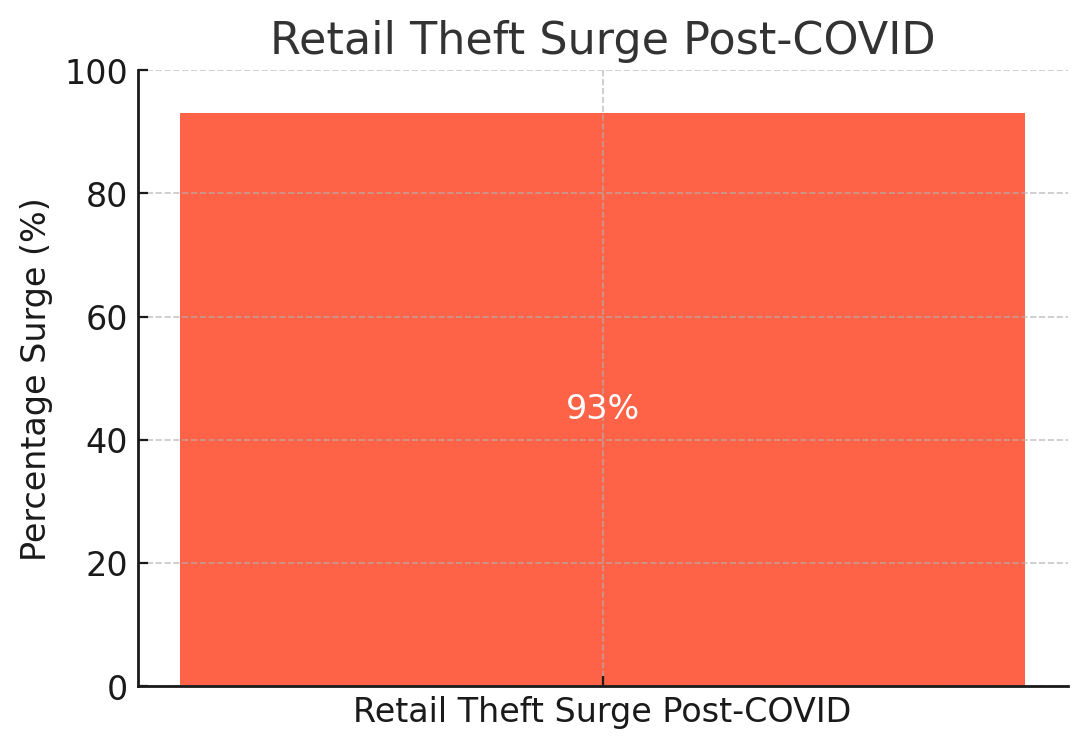
Tampa Theft FAQs
Our Tampa theft defense attorney understands that witnesses often play a crucial role in building a strong, credible defense. Their testimony can provide context, confirm your alibi, challenge the prosecution’s claims, or highlight gaps in the State’s evidence.
Because theft cases in Florida often hinge on perception and circumstantial proof, reliable witnesses can make the difference between conviction and acquittal. At StechLaw Criminal Defense, we carefully evaluate each potential witness to ensure their statements support your defense and strengthen your case.
How Can a Witness Support My Defense in a Theft Case?
A witness can support your defense in several ways. They may confirm your alibi, establish that you were not present at the time of the alleged theft, or provide firsthand observations that contradict the prosecution’s timeline.
For example, if a witness saw you at another location or noticed someone else committing the act, their statement can introduce reasonable doubt about your involvement. Witnesses can also clarify misunderstandings — such as mistaken identity or confusion over ownership — that often lead to false theft accusations.
Our defense team prepares witnesses carefully to ensure their testimony is consistent, factual, and persuasive before it is ever presented in court.
Who Can Serve as a Witness in My Case?
Anyone with relevant knowledge or observation related to your case can serve as a witness. This might include:
- Friends or family who can confirm your whereabouts or intent.
- Coworkers who can testify about access to property or workplace procedures.
- Store employees or bystanders who witnessed the incident.
- Experts, such as forensic accountants or surveillance analysts, in complex theft cases.
We also consider character witnesses—people who can vouch for your honesty and integrity—to help humanize your defense and show that this accusation is inconsistent with your history and behavior.
What Types of Evidence Can a Witness Provide?
Witnesses can provide more than verbal testimony. They may contribute documents, photos, or video footage that support your version of events.
For example:
- Security video showing your location at the time of the alleged theft.
- Receipts, timecards, or text messages establishing an alibi.
- Photos or correspondence showing you had permission to use or borrow the property in question.
When combined with cross-examination of the State’s witnesses, these forms of evidence can reveal inconsistencies and raise substantial doubt about the prosecution’s narrative.
Can a Witness’s Credibility Affect My Defense?
Absolutely. A witness’s credibility can determine how much weight the court or jury gives to their testimony. Factors that influence credibility include:
- Honesty, consistency, and accuracy of their statements.
- Relationship to you (whether they appear biased or impartial).
- Demeanor and confidence during testimony.
- Prior criminal or disciplinary history.
A credible, well-prepared witness can significantly strengthen your defense, while an unprepared or unreliable one may undermine it. Our legal team spends time vetting and preparing witnesses to ensure their testimony supports your defense in a professional and believable way.
What Should I Do to Prepare a Witness for My Case?
Proper preparation ensures that a witness is comfortable and consistent during questioning. We guide witnesses through the process so they understand:
- The facts of the case and what information is relevant.
- How to respond truthfully without speculation or exaggeration.
- What to expect during cross-examination by the prosecution.
We may conduct practice sessions, review documentation, and ensure that their statements align with the overall defense strategy. Preparation helps witnesses feel confident, calm, and credible in court.
What If a Witness Changes Their Statement? (New)
It’s not uncommon for witnesses to remember additional details later or to feel pressured by investigators. If a witness changes their story, we immediately review the reason for the change and whether the new information helps or harms your case.
In Florida, law enforcement may re-interview witnesses multiple times, and inconsistencies can raise credibility concerns for both sides. Our firm ensures all witness statements are properly recorded and reviewed to protect your defense from unfair surprises at trial.
Can a Reluctant Witness Still Help My Case? (New)
Yes. Sometimes witnesses are hesitant to testify because they fear involvement or retaliation. Florida law allows defense attorneys to issue subpoenas to secure testimony when it’s critical to ensuring a fair trial.
Even reluctant witnesses can provide statements, affidavits, or corroborating documents that strengthen your position without requiring full courtroom testimony. Our team approaches these situations with discretion and professionalism to safeguard all parties involved.
Can the Police or Prosecution Prevent My Witnesses from Testifying?
In most cases, no. The defense has a constitutional right to present witnesses and evidence. However, prosecutors may challenge a witness’s credibility or attempt to exclude certain testimony if they believe it’s irrelevant or prejudicial.
An experienced defense attorney can file motions to compel testimony or respond to exclusion attempts, ensuring your witnesses are heard. Protecting that right is a core part of building a strong theft defense in Tampa.
Tampa Theft Glossary
At StechLaw Criminal Defense, our criminal defense lawyer is skilled at defending clients against accusations of theft. When dealing with theft charges, it is important to understand the legal terms and jargon associated with the case. Below are five legal terms commonly used in theft cases, along with their definitions and additional context.
Entrapment
Entrapment is a defense strategy used by defendants to argue that they were unlawfully persuaded or pressured by law enforcement officers to commit a crime. This defense is based on the idea that the defendant would not have committed the theft if they hadn’t been induced by law enforcement agents. To successfully claim entrapment, the defendant must show that the authorities went beyond simply offering an opportunity to commit the crime and encouraged or coerced the defendant into committing the theft.
Right Of Ownership
The right of ownership refers to the legal claim a person has over an item or property. This right of ownership could be used as a defense in theft cases. If the defendant can prove that they had ownership or permission to possess the stolen property, they may be able to avoid a conviction. This defense is commonly used when the defendant claims they mistakenly took something they had a right to, such as when items are taken from shared spaces or in cases of disputed ownership.
Attempted Theft
Attempted theft refers to the act of trying to steal something, but failing to complete the theft. Even though the item was not successfully stolen, the person may still be charged with attempted theft under criminal law. The penalties for attempted theft can be similar to those for successful theft, depending on the circumstances and the severity of the crime. Our award-winning Tampa theft lawyer can argue that there was no intent to steal or that the attempt was unsuccessful due to the defendant’s actions.
Diversion Programs
Diversion programs are alternatives to traditional criminal penalties, such as imprisonment or fines. These programs allow individuals charged with theft, especially first-time offenders, to avoid jail time by completing rehabilitation programs, community service, or educational classes. Successful completion of a diversion program may result in the charges being reduced or dismissed. Our theft lawyer may seek to enroll their client in a diversion program, aiming for a more favorable outcome than a conviction or sentence.
Board Certified
Board certification is a prestigious status given to attorneys who specialize in a specific area of law. To become board certified, an attorney must meet strict qualifications, including years of experience, continued legal education, and passing a comprehensive exam.
Our board-certified Tampa theft lawyer has demonstrated high expertise and skill in their specialty. They have a deeper understanding of the legal complexities surrounding theft and can offer high-quality representation to our clients.
StechLaw Criminal Defense, Tampa Theft Lawyer
1105 W Swann Ave, Tampa, FL 33606
Read more of our Google reviews and let us know how we can help with your legal issue.
Contact Our Tampa Theft Lawyer Today
If you’re facing theft or shoplifting charges in Tampa, take action now to protect your future. StechLaw Criminal Defense has the experience, credentials, and local insight to help you navigate the criminal process, challenge the evidence, and pursue dismissal or reduction of charges whenever possible.
Call today for a free and confidential consultation. Our team is available 24 hours a day to defend your rights and restore your peace of mind.