

Criminal Defense Lawyer Hillsborough County, FL
A criminal arrest in Hillsborough County initiates proceedings in the Thirteenth Judicial Circuit Court, where the State Attorney’s Office, the Florida Department of Corrections, and the Hillsborough County Sheriff’s Office operate under established procedural timelines that frequently leave defendants and their families with limited time to respond. The consequences of a criminal conviction extend beyond the immediate penalties and may include impacts on employment, professional licensure, immigration status, firearm rights, and future educational and housing opportunities. Effective defense requires counsel who understand both the substantive law and the practices of the local courts.
Our Hillsborough County, FL criminal defense lawyer has maintained an active criminal defense practice in the Tampa Bay area for nearly 15 years and represents clients at every stage of state criminal proceedings, from investigation through disposition. Contact our firm to schedule a complimentary case evaluation.
Why Choose StechLaw Criminal Defense for Criminal Defense in Hillsborough County, FL?
Criminal defense in the Thirteenth Judicial Circuit requires substantive familiarity with the Hillsborough County State Attorney’s Office, the Public Defender’s Office, the judges presiding in the Edgecomb Courthouse, and the specialized diversion programs administered within the circuit. The procedural posture of a case, the evidentiary issues available for challenge, and the dispositional alternatives all depend upon working knowledge of local practice.
Board-Certified Former Prosecutor
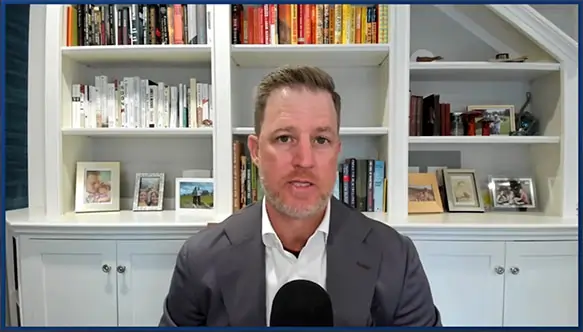
Ben Stechschulte is board certified in criminal trial law by The Florida Bar, a credential held by approximately one percent of Florida attorneys. Prior to establishing his defense practice, Mr. Stechschulte served as a prosecutor in Hillsborough County, providing direct insight into the evidentiary analysis, charging decisions, and plea negotiations conducted by the State Attorney’s Office. He has tried in excess of 60 cases to verdict. Mr. Stechschulte received his Juris Doctor from Stetson University College of Law and was recognized as a Super Lawyers Rising Star in 2015. His board certification in criminal trial law has been maintained through recertification, which requires documented trial experience and peer review on an ongoing basis.
Comprehensive Practice Across State Criminal Matters
Our firm has represented clients in matters spanning DUI, drug offenses, domestic violence, violent crimes, theft and property offenses, sex offenses, firearms matters, and white collar allegations. Each case is evaluated against the applicable statutory elements, the evidentiary record, and the dispositional alternatives available through the court and the State Attorney’s Office. Cases are pursued with attention to both the immediate resolution and the long-term collateral consequences that may affect the client’s future.
Familiarity With Hillsborough County Diversion and Specialty Courts
The Thirteenth Judicial Circuit administers several specialized programs that provide alternatives to standard prosecution, including veterans treatment court, drug court, mental health court, and the Reducing Impaired Driving Recidivism program for qualifying first-time DUI defendants. Admission to these programs requires negotiation with the State Attorney’s Office and careful documentation of eligibility criteria. Our firm has guided clients through each of these programs where circumstances and eligibility permit.
Complimentary Consultations and Direct Attorney Access
We provide free case evaluations for criminal matters. The attorney conducting the initial consultation remains directly responsible for the representation throughout its course.
⭐⭐⭐⭐⭐ “Ben Stechschulte and his team provide top notch services. Ben is very professional, dependable and an expert in criminal defense. I refer anyone in need of legal assistance on criminal matters to him, without equivocation.” — David Miller
Additional client reviews are available on our Google Business Profile.
Types of Criminal Defense Cases We Handle in Hillsborough County
Criminal prosecutions in Hillsborough County span the full range of offenses codified in the Florida Statutes. The specific charge, the classification of the offense as misdemeanor or felony, and the defendant’s prior record each influence both the available defense strategy and the dispositional alternatives. Our firm represents clients in the following categories of criminal matters:
- DUI defense. Prosecutions under Florida Statute § 316.193 involving breath or blood testing, field sobriety evaluation, and administrative license suspension proceedings before the Florida Department of Highway Safety and Motor Vehicles.
- DUI manslaughter. Second-degree felony charges arising from fatal impaired driving incidents, carrying mandatory minimum incarceration and requiring accident reconstruction analysis.
- Drug offenses. State prosecutions for possession, sale, manufacturing, and trafficking of controlled substances under Chapter 893. Trafficking thresholds trigger mandatory minimum sentencing provisions.
- Sex crimes. Prosecutions carrying potential sex offender registration requirements with long-term consequences extending well beyond the criminal sentence.
- Gun crimes. Charges under Chapter 790 including unlawful possession, improper display, and the 10-20-Life enhancement provisions applicable where firearms are used in the commission of a qualifying felony.
- White collar crimes. State prosecutions under the Florida Communications Fraud Act and related provisions, frequently arising in conjunction with federal investigations.
- Federal criminal matters. Prosecutions filed in the United States District Court for the Middle District of Florida under Title 18 and Title 21 of the United States Code.
- Probation violations. Alleged violations of supervised release under Section 948.06, which proceed under reduced evidentiary standards and frequently involve no-bond warrants.
- Vehicular manslaughter. Charges under Section 782.071 arising from reckless driving resulting in death, without the alcohol-related element of DUI manslaughter.
- Domestic violence offenses. Prosecutions for battery, assault, and related offenses involving household members, which frequently involve immediate no-contact orders affecting residence and family contact.
- Theft and property offenses. Prosecutions for petit theft, grand theft, burglary, dealing in stolen property, and related charges under Chapter 812.
- Assault, battery, and violent crimes. Charges under Chapter 784, including aggravated assault, aggravated battery, and related offenses carrying enhanced penalties where weapons are involved.
Florida Legal Requirements for Criminal Defense Proceedings
Florida criminal procedure is governed by the Florida Rules of Criminal Procedure, the Florida Evidence Code, and the substantive provisions codified principally in Title XLVI of the Florida Statutes. These provisions establish the elements of each offense, the applicable statutory maximum penalties, and the procedures applicable to arrest, charging, trial, and sentencing.
Offenses in Florida are classified as misdemeanors or felonies, with further gradation based upon the severity of the conduct and the applicable statutory penalty range. Misdemeanors are divided into first and second degree, with maximum terms of one year and sixty days respectively. Felonies are classified from third degree through capital felony, with statutory maximum terms ranging from five years to life imprisonment or death.
The Florida Criminal Punishment Code, codified at Section 921.0024, establishes the scoresheet framework applicable to felony sentencing. The scoresheet calculation incorporates the primary offense, additional offenses at conviction, prior record, victim injury, and specific enhancement factors to produce a recommended minimum sentence. Sentences below the scoresheet calculation require a departure finding supported by statutorily enumerated grounds.
Florida law recognizes several mechanisms that may avoid a formal conviction. A withhold of adjudication permits the court to impose sanctions including probation without entering a judgment of conviction, preserving certain civil rights and providing a narrower record for employment and licensing purposes. Pretrial intervention programs offered through the State Attorney’s Office permit qualifying defendants to resolve charges through completion of specified conditions.
Sealing and expungement of criminal records are governed by Sections 943.0585 and 943.059 of the Florida Statutes. Eligibility is subject to statutory restrictions, and specific offenses are categorically excluded from relief. The availability of record relief should be considered during evaluation of any proposed plea disposition, as certain dispositions may foreclose later relief.
Important Aspects of a Hillsborough County Criminal Defense Case
Criminal matters involve several procedural stages at which the ultimate disposition is disproportionately shaped. Recognition of these stages enables clients and their families to focus attention on the issues most likely to affect the outcome.
First Appearance and Bond
Within 24 hours of arrest, the defendant is presented before a judge for a first appearance. The court determines probable cause, formally advises the defendant of the charges, and addresses conditions of pretrial release. Documentation of employment, residence, family ties, and community support presented at first appearance materially affects the bond determination. For charges where a no-bond hold or Arthur hearing applies, the procedural posture is more complex and requires specific preparation.
Arraignment and Charging Decision
Following first appearance, the State Attorney’s Office conducts an independent charging review. The initial arrest charges may be reduced, modified, or supplemented in the formal charging document. Engagement with the assigned prosecutor at this stage, through presentation of exculpatory evidence or mitigating context, can meaningfully influence the charging decision and the scope of formal prosecution.
Discovery and Pretrial Motion Practice
Florida’s discovery framework under Rule 3.220 provides for exchange of witness lists, physical evidence, and statements. Scrutiny of the evidentiary record frequently yields motions to suppress predicated on constitutional violations including unlawful searches, invalid consent, Miranda violations, and improperly administered identifications. The pretrial motion stage often represents the most significant opportunity to reshape the evidentiary landscape prior to trial or negotiated resolution.
Plea Negotiation and Diversion
A substantial portion of criminal matters are resolved through negotiated dispositions rather than trial. Effective negotiation requires thorough evaluation of the evidentiary record, understanding of the governing statutory penalties, and familiarity with the precedents within the local court system. Where eligibility exists, admission to pretrial intervention, RIDR, drug court, mental health court, or veterans treatment court may provide resolution on terms superior to a standard plea.
Trial Preparation and Presentation
Where a contested trial is necessary, preparation centers on challenging the State’s evidence through cross-examination, presentation of defense witnesses, and development of a clear thematic theory addressing the elements in dispute. Jury selection in the Thirteenth Judicial Circuit proceeds under established practices, and the Florida Evidence Code governs the admissibility of exhibits and testimony. Trial presentation frequently requires visual aids, expert testimony, and focused examination of the credibility of cooperating witnesses.
Sentencing and Collateral Consequences
Florida sentencing proceeds under the Criminal Punishment Code for felonies and general statutory parameters for misdemeanors. Sentencing advocacy addressing the defendant’s background, rehabilitation efforts, employment, family circumstances, and community ties can meaningfully influence the final disposition. Collateral consequences, including impacts on professional licensure, immigration status, firearm rights, and future employment, should be evaluated during the consideration of any proposed plea or sentencing posture.
Contact StechLaw Criminal Defense
If you have been arrested, received notice of a criminal investigation, or been informed that charges are pending in Hillsborough County, prompt consultation preserves the full scope of available legal options. Our firm provides complimentary case evaluations for criminal matters. During the consultation, we will review the circumstances of the arrest or investigation, evaluate the applicable statutory framework, and outline the anticipated course of representation. Contact us today.
Criminal Defense Statistics in Hillsborough County, FL
 A criminal case in Hillsborough County moves through the Thirteenth Judicial Circuit on the State’s timeline, and the numbers below show why the early decisions matter and why negotiation plays such a large role. Hillsborough is one of Florida’s large urban counties, so federal research on how these courts handle felony cases offers useful context.
The data comes from federal criminal-justice research and Florida law-enforcement sources. It describes broad, long-running patterns rather than any individual matter, but it helps explain how a case tends to unfold.
- Most cases are resolved without a trial. Federal research on felony cases in large urban counties has found that nearly all convictions come from guilty pleas rather than jury verdicts, which is why skilled negotiation matters so much.
- Not every case ends in a conviction. That same body of research found prosecutors or the courts dismissed the charges for roughly a fourth of felony defendants.
- Pretrial release is common. Most felony defendants in these counties were released before their cases were resolved, which underscores how much the bond hearing can shape what follows.
- At the state level, Florida agencies report a large volume of arrests each year across the state’s counties.
What Should You Do After a Criminal Arrest in Hillsborough County?
The hours and days after an arrest often shape the rest of the case. The steps below help protect your position while you arrange for counsel.
- Invoke your right to remain silent. You are not required to explain yourself, and officers are trained to use what you say. Politely decline to speak to police about the allegation until you have a lawyer.
- Do not consent to searches. You can decline a search request without admitting anything. If officers proceed anyway, the Fourth Amendment may later support a challenge to what they found.
- Write down what happened. While it is fresh, note the sequence of events, the officers involved, and anyone who witnessed the encounter. These details fade quickly and can matter a lot later.
- Follow every release condition. Once released, attend all court dates and obey any no-contact or travel conditions to the letter, because a violation can create a new charge on its own.
- Do not discuss the case. Avoid talking about it with anyone other than your lawyer, and remember that jail phone lines are recorded and social media posts can be used against you.
- Preserve everything. Do not delete messages, photos, or accounts, since removing material can look like destroying evidence even when the content was harmless.
- Retain counsel early. The earliest decisions are frequently the most consequential, and a lawyer involved from the start can protect your position during the investigation and at first appearance.
Hillsborough County Criminal Defense Lawyer FAQs
Do you offer a free consultation?
Yes. We offer free, confidential consultations to people arrested for or charged with a crime in Hillsborough County. The meeting is a chance to understand the charge, review how the evidence was gathered, and hear how a Hillsborough County criminal defense attorney would approach the case. A complete file is not required to meet. Even a partial account of what happened helps us identify the issues early, and there is no obligation to hire the firm afterward. Because the first days after an arrest are often decisive, meeting with a Hillsborough County criminal defense lawyer sooner gives us more room to protect your options.
How much does a criminal defense cost?
Cost depends on the charge, whether it is a misdemeanor or felony, the volume of evidence, and whether the case resolves early or proceeds to trial. A second-degree misdemeanor differs greatly from a serious felony with extensive discovery. We discuss the fee structure openly during the consultation, so you can plan rather than guess, and we would rather give an accurate picture than a figure that does not hold once the case is reviewed.
What happens at first appearance?
Within a day of arrest, you are brought before a judge who confirms there was a basis for the arrest, states the charges, and sets the conditions of release. What is presented about your employment, residence, and community ties can shape the bond decision, so this early hearing carries more weight than many people expect and benefits from preparation.
Should I talk to the police?
Not without a lawyer. You have the right to remain silent, and using it is not an admission of guilt. Officers may seem friendly, but statements made early often become central evidence. The safest course is to decline to discuss the matter and ask to speak with counsel before answering questions. Nothing you say informally will help your case, and much of it can be used to build the State’s.
Can my charges be reduced or dropped?
Sometimes. Depending on the evidence, charges can be reduced, diverted, or dismissed, and the State’s independent charging review after arrest is one point where that can happen. We look for weaknesses in the evidence and present mitigating context early, because the charge on the arrest paperwork is often not the charge that is ultimately filed. Highlighting those weaknesses to the prosecutor before formal charges are set can change the trajectory of a case.
Can the evidence against me be challenged?
Yes. When a stop, search, or seizure lacked probable cause or otherwise violated your rights, a motion to suppress can remove that evidence from the case. Because so many prosecutions depend on how evidence was gathered, this stage is often where a defense achieves the most.
What is the difference between a misdemeanor and a felony?
Misdemeanors carry shorter maximum jail terms and lighter long-term consequences, while felonies carry the possibility of prison and more serious collateral effects on rights and opportunities. The classification drives the exposure and the available resolutions, so understanding exactly what you are charged with is the starting point for any defense, and it guides every decision that follows.
Will I go to jail if convicted?
Not necessarily. Many cases resolve without incarceration through probation, diversion, or other alternatives to jail, particularly for lower-level offenses and defendants with limited history. We work to present the background and circumstances that support the least restrictive outcome the facts allow.
What evidence does the State rely on?
It varies by charge, but it commonly includes officer testimony, body camera footage, physical or forensic evidence, and witness accounts. Each of these forms of evidence can be tested, and identifying the weak points early often shapes whether the case is tried or negotiated.
Am I eligible for a diversion or specialty court?
Possibly. The Thirteenth Judicial Circuit operates drug court, mental health court, veterans treatment court, and pretrial intervention, each of which can offer an alternative to standard prosecution for qualifying defendants. Admission is negotiated rather than automatic, and we assess whether a program is available and whether it is the right path for you.
Should I take a plea or go to trial?
That decision belongs to you, made with clear advice. It turns on the strength of the State’s evidence, your exposure, and what any offer provides. Some cases are best resolved through a negotiated disposition, and others are worth trying. We lay out the risks and benefits of each route honestly rather than pushing you toward one, and once the evidence has been reviewed carefully, the stronger path usually becomes clear.
Hillsborough County Criminal Justice Resources
What Are Important Local Resources for a Hillsborough County Criminal Case?
Several county and government offices are involved in how a criminal case proceeds through the Thirteenth Judicial Circuit. We provide the following for general information only and do not endorse any office listed.
- The State Attorney’s Office for the Thirteenth Judicial Circuit, at (813) 272-5400, reviews and prosecutes criminal charges in Hillsborough County.
- The Thirteenth Judicial Circuit Court, at (813) 272-5894, maintains court information, judge assignments, and details on the circuit’s specialty court programs.
- The Hillsborough County Clerk of Court, at (813) 276-8100, maintains case records and online case search tools.
- The Hillsborough County Sheriff’s Office, at (813) 247-8000, operates the jail and processes arrests in the county.
About StechLaw Criminal Defense
A criminal case rewards an attorney who reads the evidence, the local practice, and the resolution options with equal care. Ben Stechschulte founded StechLaw Criminal Defense after serving as a Hillsborough County prosecutor, and he brings that background to the defense of misdemeanors and felonies across the Thirteenth Judicial Circuit. He is board certified in Criminal Trial Law, a credential held by a small fraction of Florida attorneys, and our results span DUI, drug, violent, theft, and white collar matters. That record informs how we approach a Hillsborough County criminal case from arrest through resolution.
What Our Clients Say
⭐⭐⭐⭐⭐
“Ben Stechschulte and his team provide top notch services. Ben is very professional, dependable and an expert in criminal defense. I refer anyone in need of legal assistance on criminal matters to him, without equivocation.” – David Miller
Read more reviews on our Google Business Profile.
Additional Resources for Hillsborough County Criminal Cases
- Aggravated Assault Case Result
- Felony Battery Reduced to Misdemeanor
- Bond Reduced
- Self-Defense Case Result
- Military Veteran Case Result
Contact StechLaw Criminal Defense
If you have been arrested, received notice of an investigation, or learned that charges are pending in Hillsborough County, FL, the earliest decisions often shape the entire case, so acting soon matters. Our firm reviews the arrest and the evidence, explains the charges and the available options in plain terms, and builds a defense around the facts. We offer free consultations and respond quickly. To speak with a criminal defense lawyer for a Hillsborough County matter, contact us to talk through what happened and what comes next.