

 Last Updated: 06-17-2026
 Read Time – Est:

Helping clients in Tampa navigate federal firearms license charges with board certified criminal trial experience.
If you have been accused of selling firearms without a federal license, violating the terms of an existing license, or failing to comply with ATF recordkeeping requirements, you are dealing with a federal case that can result in prison time, the permanent loss of your license, and the end of your livelihood. These are not paperwork issues. The federal government treats firearms license violations as serious criminal offenses. Our Tampa, FL federal firearms license violation lawyer at StechLaw Criminal Defense defends both licensed dealers and unlicensed individuals accused of violating federal firearms laws. Schedule a free, confidential consultation.
Federal Firearms License Violation Lawyer Tampa, FL
A federal firearms license, or FFL, is issued by the ATF and required for anyone engaged in the business of dealing, manufacturing, or importing firearms. Operating without one when the law requires it is a federal crime. So is violating the conditions attached to an active license.
What makes these cases complicated is where the line falls. The difference between a private seller and an unlicensed dealer depends on how many guns you sold, how often, and whether you were doing it to earn a profit. That line has shifted in recent years as federal regulations have expanded. A federal firearms license attorney in Tampa, FL defends clients on both sides of this issue, whether they held a license and allegedly violated its terms, or never had one and are accused of needing one.
Types of Federal Firearms License Violation Cases We Handle in Tampa
FFL violations cover a range of conduct, from unlicensed dealing to documentation failures. The ATF investigates these matters aggressively, and federal prosecutors in the Middle District of Florida pursue them with mandatory penalties in many cases. Below are the types of federal gun crimes related to firearms licensing that our Tampa practice handles.
- Dealing without a license. Federal law requires anyone engaged in the business of selling firearms to hold an FFL. Selling guns from a personal collection is generally legal. But selling repeatedly, advertising firearms for sale, or buying guns with the intent to resell them for profit can cross the line into unlicensed dealing. We defend private firearm sellers who are accused of operating as dealers without a license.
- Recordkeeping violations. Licensed dealers are required to maintain detailed records of every firearm transaction, including acquisition and disposition logs. Missing entries, incomplete records, or discrepancies between inventory and paperwork can trigger an ATF compliance inspection and, in some cases, criminal charges. We defend FFLs facing allegations of willful recordkeeping failures.
- Failure to conduct background checks. Every sale by a licensed dealer must go through the federal background check system. Selling a firearm without running the required check, or completing a sale before the check clears, can result in federal charges. We handle these cases and examine whether the dealer followed proper procedures.
- License revocation defense. The ATF can move to revoke an FFL based on willful violations of federal firearms law. Revocation doesn’t require a criminal conviction, but it ends your ability to operate. We represent dealers facing revocation proceedings and work to preserve their license where the facts support it.
- Transfer and sales violations. Improper transfers, including sales to out-of-state buyers without going through a licensed dealer in the buyer’s state, can lead to federal charges. These cases often involve ATF investigations that begin with a traced firearm and work backward to the point of sale.
- License violations tied to broader offenses. FFL violations sometimes appear alongside other federal charges, including straw purchase allegations, gun trafficking, or charges involving stolen firearms. When a licensing violation is part of a larger prosecution, the stakes multiply. We defend the full scope of the case.
Why Choose StechLaw Criminal Defense as my Federal Firearms License Violation Lawyer in Tampa, FL?
Criminal Trial Experience in Tampa Bay
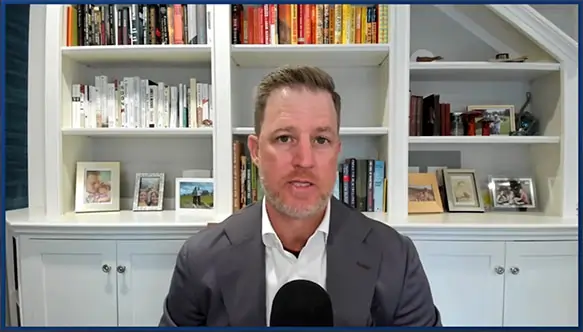
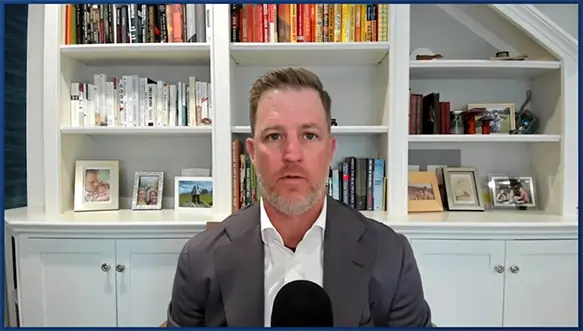
For more than 15 years, Ben Stechschulte has represented clients in criminal matters throughout the Tampa Bay area. A graduate of Stetson University College of Law, he earned board certification in criminal trial law from The Florida Bar, a credential that reflects sustained courtroom performance and is held by a small number of Florida attorneys. He has tried over 60 cases to verdict and was named a Rising Star by Super Lawyers in 2015.
Defending Federal Firearms License Cases
FFL violation cases involve regulatory detail that most criminal defense lawyers do not encounter regularly. ATF compliance inspections, evolving firearms regulations, and the shifting definition of “engaged in the business” all play a role in how these cases are charged and defended. As a federal gun crimes attorney in Tampa, our firm understands the intersection of federal regulatory law and criminal prosecution. We have achieved favorable results for clients facing federal charges, and we bring that same preparation to every FFL violation case we handle.
What Is Important To Understand About Federal Firearms License Violation Cases?
FFL violations are prosecuted in federal court, and the consequences go beyond fines. Understanding how these cases work helps you protect your rights and your business.
Charges, Penalties, and Defense Strategies for Federal Firearms License Violations
The most common federal firearms licensing charge is dealing without a license. A conviction is a felony and can result in up to five years in federal prison. For licensed dealers, willful violations of federal law can lead to both criminal charges and administrative action, including license revocation.
Defense in these cases often turns on the word “willful.” The government generally has to prove that you knew your conduct was unlawful, not just that you made a mistake. A dealer who failed to log a transaction due to a clerical error is in a very different position than one who deliberately skipped the background check. We examine the specifics of the alleged violation, the ATF’s inspection records, and the history of compliance at the business. For unlicensed dealers, the defense often challenges whether the volume, frequency, and nature of the sales actually crossed the legal threshold into dealing.
The regulatory landscape has changed. The definition of who qualifies as a dealer has been broadened, and the ATF has adjusted its enforcement priorities more than once. That makes these cases fact-specific, and it means the same conduct that was treated one way three years ago may be treated differently now. We stay current on those changes.
What Are Some Important Aspects of a Federal Firearms License Violation Case?
A few recurring issues tend to shape FFL violation cases.
ATF compliance inspections are the starting point for many prosecutions against licensed dealers. During an inspection, ATF investigators review your records, compare inventory against documented transactions, and note any discrepancies. What they find during that inspection often forms the basis of subsequent criminal charges. How the inspection was conducted, and whether any violations were truly willful, are questions we raise early.
The distinction between private sales and dealing is central to cases involving unlicensed individuals. Federal law allows private firearm sales under certain circumstances, but the line between selling from a personal collection and dealing as a business is not always clear. We challenge the government’s characterization of your sales activity and argue for the interpretation that fits the facts.
Your Tampa gun crimes lawyer should also understand the administrative side of these cases. Even when criminal charges don’t materialize, the threat of license revocation can be equally damaging for a dealer whose business depends on maintaining an FFL.
Federal Firearms License Violation Case Timeline
FFL violation cases often begin quietly, with an inspection or a traced firearm, and build from there.
- ATF compliance inspection. Industry Operations Investigators review dealer records, inventory, and business practices. This may be routine or triggered by a specific concern.
- Notice of violations. The ATF may issue a warning letter or a notice of revocation following the inspection. These administrative steps can run parallel to a criminal investigation.
- Criminal investigation. If the ATF refers the case for prosecution, federal agents begin gathering evidence for potential criminal charges. If you learn you are under federal investigation, contact a lawyer immediately.
- Target letter or subpoena. You may receive a target letter notifying you that you are a focus of a federal grand jury investigation.
- Indictment. A grand jury returns an indictment, and you are either arrested or surrender. Federal criminal defense counsel should be involved well before this stage.
- Pretrial phase and resolution. Evidence is exchanged, motions are filed, and the case resolves through a plea or trial, followed by sentencing.
What Should You Bring to Your Federal Firearms License Violation Consultation?
If you are a licensed dealer facing ATF action or an individual accused of selling firearms without a license, bring whatever documentation you have to your first meeting with a federal gun crimes lawyer.
- Any ATF inspection reports, warning letters, or revocation notices
- Correspondence from federal prosecutors or agents
- Your FFL documentation, if applicable
- Records of firearm sales, purchases, or transfers
- A written summary of the events in your own words
We will review the situation directly and outline the options available to you.
What Are Some Important Florida Legal Resources for Federal Firearms License Violation Cases?
Federal firearms licensing requirements are governed by the United States Code and enforced through ATF regulations. These resources can help you understand the framework.
- The federal statute of limitations generally gives prosecutors five years to bring most firearms charges, a timeline that matters when ATF investigations stretch across multiple inspection cycles.
- The ATF’s federal firearms licenses page provides information on licensing types, application procedures, and compliance requirements for dealers.
- The ATF Tampa Field Division handles firearms regulatory enforcement across most of Florida, including compliance inspections and criminal referrals in Hillsborough County.
- Federal firearms statutes are published in Title 18 of the U.S. Code and available for public review.
- Cases in Tampa are prosecuted by the U.S. Attorney’s Office for the Middle District of Florida and heard in the Middle District’s federal court.
Reach Out to StechLaw Criminal Defense to Schedule a Consultation
A federal firearms license violation can cost you your freedom and your business. StechLaw Criminal Defense offers free initial consultations, and every conversation is confidential. Whether you are a licensed dealer fighting revocation or an individual accused of unlicensed dealing, you will get a direct assessment of the charges and your options from a federal gun crimes defense firm with real trial experience in Tampa. Contact us to schedule your consultation with a Tampa federal firearms license violation attorney.