

Federal gun crime representation grounded in 15+ years of criminal trial work in Tampa.
Federal firearm charges are prosecuted by the United States government, carry mandatory prison time, and move faster than most state cases. If the ATF or FBI has contacted you, or if you have been named in a federal indictment, the decisions you make now will affect the rest of the case. Our Tampa, FL federal gun crimes lawyer defends people facing weapons charges in Florida, from straw purchase allegations to machine gun and 924(c) counts. StechLaw Criminal Defense brings board certified criminal trial experience to every federal firearm case. Schedule a confidential case review to understand what you are up against.
Federal Gun Crimes Lawyer Tampa
A federal gun crime is a firearm offense prosecuted by the United States government rather than the State of Florida. These cases usually involve a federal agency such as the ATF or FBI, a federal grand jury, and a federal judge. The charges often stem from how a gun was bought, sold, possessed, or used, and many carry mandatory prison terms.
A federal firearms attorney handles the parts of these cases that set them apart from state prosecutions. That means understanding ATF investigations, federal search warrants, the federal sentencing guidelines, and the way prosecutors in Tampa build weapons cases. We represent clients at every stage, from the first agent contact through trial.
Types of Federal Gun Crimes Cases We Handle in Tampa
Federal firearm charges cover a wide range of conduct. Many arise from how a gun was bought, transferred, or recorded, rather than from how it was used. Below are the case types our Tampa federal gun crime defense practice handles most often.
- Straw firearm purchases. We defend people accused of buying a gun for someone who could not pass a background check. These cases often turn on what you knew and what you signed.
- ATF gun investigations. When the ATF opens a firearms investigation, early decisions shape everything that follows. We step in before charges are filed when we can.
- Gun trafficking. We represent clients accused of moving firearms across state lines or selling them outside legal channels.
- Federal firearms license violations. Sellers accused of dealing without a proper license face federal exposure. We defend the licensing and recordkeeping side of these cases.
- Machine gun charges. Possessing an unregistered automatic weapon is a federal felony. We handle these charges and the technical questions they raise.
- Glock switch charges. A small conversion device can turn a possession case into a machine gun prosecution. We defend clients accused of owning or selling them.
- Stolen firearm possession. We represent people charged with possessing, receiving, or selling firearms reported stolen.
- Section 924(c) charges. Carrying a gun during a drug or violent crime adds mandatory time on top of the underlying offense. These charges demand a focused defense.
- Gun crimes. We also defend the full range of state weapons charges for clients whose cases stay in Florida court.
Why Choose StechLaw Criminal Defense as my Federal Gun Crimes Lawyer in Tampa, FL?
Board Certified Criminal Trial Experience
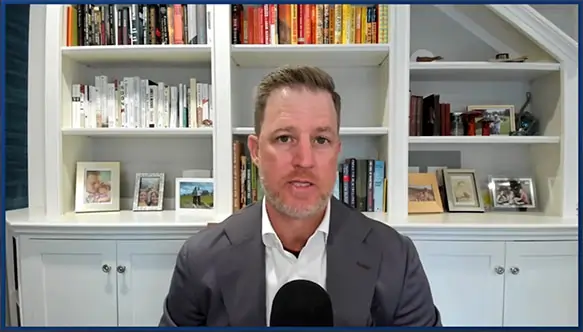
Our work is led by Ben Stechschulte, who is board certified in criminal trial law by The Florida Bar. He has practiced in the Tampa Bay area for 15+ years and has tried more than 60 cases to verdict. He earned his law degree from Stetson University College of Law and was recognized as a Rising Star by Super Lawyers in 2015. Board certification is a distinction relatively few Florida attorneys hold in this field, and it reflects years of courtroom work.
Federal Defense Built for These Cases
Federal gun cases are not state cases with a different label. They demand a defense grounded in knowledge of ATF procedures and the federal sentencing guidelines. As a federal criminal defense lawyer in Tampa, FL, our firm focuses on that work. From the first agent contact through sentencing, we stay on the details that decide federal firearm cases in Tampa, FL.
Federal Firearm Possession Charges in Tampa
Federal law bars whole categories of people from possessing a gun or ammunition. Under 18 U.S.C. § 922(g), that list includes anyone with a felony conviction, people subject to certain restraining orders, and unlawful drug users, among others. A single round in a glovebox can support a charge.
These cases often come down to one word: possession. Prosecutors do not have to prove you owned the firearm. They only have to prove you knowingly had control over it, which can include a gun in a shared car or home. People with felony convictions and those under domestic violence restraining orders face this exposure even when they never intended harm. We challenge how the government claims you possessed the weapon and how agents found it.
Straw Purchase and ATF Form 4473 Firearm Charges
A straw purchase happens when one person buys a gun for someone who cannot legally have one. The crime is the lie, not always the gun itself. When you complete an ATF Form 4473 and certify you are the actual buyer while purchasing for another, that false statement violates 18 U.S.C. § 922(a)(6). The 2022 Bipartisan Safer Communities Act went further and added a dedicated straw purchasing statute at 18 U.S.C. § 932.
These charges surprise people. Many never realized that buying a gun for a relative or partner could be a felony. The ATF treats them seriously, as its Don’t Lie program makes clear. Prosecutors often build cases from a paper trail and from sales to prohibited buyers. We examine your intent, your knowledge, and the way the form was filled out.
ATF Gun Investigations and Search Warrants
Most federal firearm cases begin with an investigation, not an arrest. ATF agents may trace a recovered gun, monitor online sales, or approach you for a conversation. What you say in that moment can decide the case.
If you learn you are under federal investigation, the smartest move is to stop talking and call a federal firearms lawyer in Tampa. Agents are trained to gather statements. They are not on your side. We also scrutinize how investigators gathered evidence. When officers are executing a search warrant on your home, car, or phone, that warrant must rest on real probable cause. If it does not, we move to suppress what they found.
Federal Gun Trafficking and Illegal Firearm Sales
Firearm trafficking means moving guns into the illegal market, often across state lines. The same 2022 law that targeted straw purchases created a federal trafficking offense at 18 U.S.C. § 933. These cases frequently involve several people, which is why the government layers on conspiracy charges.
Trafficking prosecutions can sweep in people on the edges of a transaction. A few resold guns, a string of purchases, or a single text message can become the foundation of a federal weapons case. We look closely at what the evidence actually shows about your role, your knowledge, and the agreement the government claims existed.
Selling Guns Without an FFL in Florida
Federal law requires a license to deal in firearms. Selling a gun from your personal collection is legal. But dealing in guns to predominantly earn a profit without a Federal Firearms License violates 18 U.S.C. § 922(a)(1)(A).
The line between a private seller and a dealer has shifted in recent years. The 2022 Bipartisan Safer Communities Act broadened the definition of who is engaged in the business of dealing, and the ATF has adjusted its regulations more than once since then. That makes these cases fact specific. We follow how the rules on private firearm sales apply to non licensed sellers, and we defend people accused of crossing a line they did not know existed.
Federal Firearm Charges Involving Drug Cases
Under 18 U.S.C. § 924(c), using or carrying a firearm during a drug trafficking crime adds a mandatory prison term that runs consecutive to the underlying sentence. A gun in the same room as drugs can trigger it.
This is one of the harshest tools federal prosecutors have. The added time stacks, and judges have little room to reduce it. When a drug trafficking charge comes with a firearm count, the defense has to address both at once. We understand how federal firearm penalties attach to drug cases, and we work to separate the gun from the alleged offense wherever the facts allow.
Glock Switches, Machine Gun Conversion Devices, and NFA Violations
A Glock switch is a small device that converts a semi-automatic pistol into a fully automatic firearm, firing multiple rounds with a single pull of the trigger. Federal law treats that capability as the definition of a machine gun. Under the National Firearms Act and 26 U.S.C. § 5845(b), the device itself qualifies as a machine gun even when it is not installed, and 18 U.S.C. § 922(o) makes possession a felony.
The ATF has called these machine gun conversion devices a growing threat and prosecutes them hard across Florida. Many clients bought a switch online without grasping what it legally was. We defend these cases by examining how the device was classified, how it was found, and what you actually knew. We stay current on federal firearms regulations as they shift.
Stolen Firearms and Obliterated Serial Number Charges
Possessing or selling a firearm you knew was stolen violates 18 U.S.C. § 922(j). Possessing a gun with a removed or altered serial number violates 18 U.S.C. § 922(k).
The knowledge requirement matters here. For a stolen firearm charge, the government must prove you knew or had reason to know the gun was stolen. Buying a used pistol at a low price is not a crime by itself. These cases sometimes overlap with broader federal theft charges, and we defend the full picture. We test whether prosecutors can actually prove what you knew about the weapon’s history.
Federal Gun Cases in the Middle District of Florida
Federal firearm charges in Tampa are prosecuted in the Middle District of Florida, which covers Hillsborough and the surrounding counties from its downtown Tampa courthouse. Federal court runs on its own rules, its own timelines, and its own sentencing system.
The gap between state and federal charges shows up at every step, from indictment to plea to sentencing. Detention is decided differently too, which is why bail in federal court often surprises families. We practice in this district, and we know how its prosecutors and judges approach weapons cases.
What Is Important To Understand About Federal Gun Crimes Cases?
Federal weapons cases follow their own process, and knowing how that path works helps you make better decisions. Here is an overview of the framework, the moving parts, the timeline, and how to prepare.
Charges, Penalties, and Defense Strategies for Federal Gun Crimes Cases
Federal firearm charges fall into a few broad families. The penalties depend on the charge, but several features make federal cases harder than their state counterparts.
- Possession offenses. Charges based on who held a firearm and whether federal law permitted it.
- Sale and transfer offenses. Charges based on how a gun changed hands, including straw purchases and dealing without a license.
- National Firearms Act offenses. Charges involving regulated items such as machine guns, short barreled rifles, and conversion devices.
- Firearm in furtherance offenses. Charges that attach a gun to another crime, such as drug trafficking, and add separate punishment.
Many federal gun charges carry mandatory minimum sentences, which limit how far a judge can go below a set term. Some counts run consecutively, meaning they stack on top of the underlying offense. Sentences are shaped by the federal sentencing guidelines, which weigh the offense and your record. Defense usually centers on three questions: did you knowingly possess the firearm, how did agents obtain their evidence, and can the government prove intent.
What Are Important Aspects of a Federal Gun Crimes Case?
A few issues tend to decide federal firearm cases. Spotting them early changes how a defense takes shape.
- Knowledge and intent. The government usually has to prove you knew what you possessed or what you were doing.
- How the evidence was gathered. If a search violated your rights, a motion to suppress can keep that evidence out.
- The paper trail. Forms, receipts, and messages often carry as much weight as the gun itself.
- Who else is involved? Cases with multiple people can bring conspiracy counts that widen your exposure.
What Is The Federal Gun Crimes Case Timeline?
Federal cases build over time, and each stage carries its own decisions.
- Investigation. The ATF traces guns, reviews sales, and gathers records, sometimes for months.
- Target letter or subpoena. Many clients first learn of a case through a target letter or a grand jury subpoena.
- Indictment and arrest. A federal grand jury returns a grand jury indictment, and an arrest or surrender follows.
- Arraignment and detention. The court enters a plea and decides whether you are released while the case proceeds.
- Pretrial motions and discovery. Both sides exchange evidence, and the defense files motions that can reshape the case.
- Plea or trial, then sentencing. The case resolves by plea or trial, and a conviction leads to a separate sentencing phase.
What Should You Bring to Your Federal Gun Crimes Consultation?
Bringing the right paperwork to a first meeting helps us assess your case quickly. Gather what you have, even if it feels incomplete.
- Any charging document, indictment, or criminal complaint.
- ATF or FBI correspondence, including a target letter or grand jury subpoena.
- Bond paperwork and a list of upcoming court dates.
- A written account of events, in your own words.
Expect a candid review of the charges and your options.
What Are Important Florida Legal Resources for Federal Gun Crimes Cases?
Federal firearm law lives mostly in the United States Code and ATF regulations, not in Florida statutes. These resources can help you understand where the rules come from.
- The basic federal statute of limitations generally gives prosecutors five years to bring most non capital firearm charges, a deadline worth understanding early.
- An overview of federal firearms crimes and the conduct they cover can help you see where your case fits.
- Most federal firearm offenses are defined in Title 18 of the United States Code, published online by the federal government for public reference.
- The ATF’s official website explains forms, licensing, and prohibited categories in accessible terms.
- Cases filed in Tampa proceed under the local rules of the federal court that hears them.
Reach Out to StechLaw Criminal Defense to Schedule a Consultation
A federal firearm charge is not something to face alone. We offer free initial consultations. Every conversation is confidential. You can expect a clear assessment of what you are facing and the choices in front of you. Contact us to schedule your consultation with a Tampa federal gun crimes attorney.