

 Last Updated: 10-16-2026
 Read Time – Est:
Are you looking for a federal mortgage fraud lawyer?
At StechLaw Criminal Defense, we provide federal mortgage fraud representation grounded in nearly 15 years of criminal trial work.
If you are under investigation or facing federal mortgage fraud charges, an experienced defense lawyer can help you respond before the government finalizes its case. Our federal mortgage fraud lawyer at StechLaw Criminal Defense has defended clients against financial crime allegations in federal court for nearly 15 years. Ben Stechschulte is board certified in criminal trial law by The Florida Bar and has tried over 60 cases to verdict. We offer a free and confidential consultation to review the allegations and explain your options.
Federal Mortgage Fraud Lawyer
Federal authorities, including the FBI, treat mortgage fraud as a material misstatement, misrepresentation, or omission relating to a mortgage loan that a lender relies on when approving or funding it. The government does not have to prove that anyone lost money. It must show that a false statement was material to the lending decision and made with intent to defraud.
Most of these cases are built from documents. Loan applications, appraisals, closing files, bank records, and email exchanges form the core of a federal mortgage fraud case, and agents often review them for months before anyone is charged. Federal mortgage fraud is a white collar offense that can arise from a single loan application or from a broader scheme involving several properties, lenders, or participants. A federal mortgage fraud attorney can begin testing that evidence as soon as an investigation surfaces, often well before an indictment is returned.
Types of Federal Mortgage Fraud Cases We Handle
Mortgage fraud is prosecuted under several federal statutes, and the scheme alleged shapes both the evidence and the potential penalties. We represent clients accused of fraud at every stage of a mortgage transaction, from the loan application through the resale of a property. The categories below cover the allegations we see most often in federal court.
- Occupancy fraud. This involves a borrower who claims an intent to live in a property to obtain better loan terms while actually buying it as a rental or investment. Lenders price owner-occupied loans differently, so a false occupancy statement is treated as material.
- Income and employment fraud. These cases allege that an applicant overstated income, invented employment, or submitted altered pay stubs or tax documents to qualify for a loan. Prosecutors often rely on employer testimony and financial records to show the figures were false.
- Appraisal fraud. This category involves inflated or manipulated property valuations that support a larger loan than the property justifies. Appraisers, agents, and loan officers are sometimes charged together in these matters.
- Straw buyer schemes. A straw buyer lets another person use their name and credit to secure a mortgage the true purchaser could not obtain. These cases frequently expand into conspiracy charges involving several participants.
- Foreclosure rescue and loan modification fraud. These allegations involve schemes that target homeowners in financial distress with false promises of relief in exchange for fees or property transfers. The alleged victims are usually the homeowners rather than the lender.
- Property flipping schemes. This involves buying property and reselling it quickly at an artificially inflated price supported by fraudulent appraisals or straw buyers. The loan on the inflated resale becomes the alleged loss.
- Asset and down payment fraud. These cases allege that a borrower misrepresented the source of funds or concealed undisclosed loans used for a down payment. Gifted or borrowed money disguised as personal savings is a common example.
Why Choose StechLaw Criminal Defense as my Federal Mortgage Fraud Lawyer?
Board Certified Criminal Trial Experience
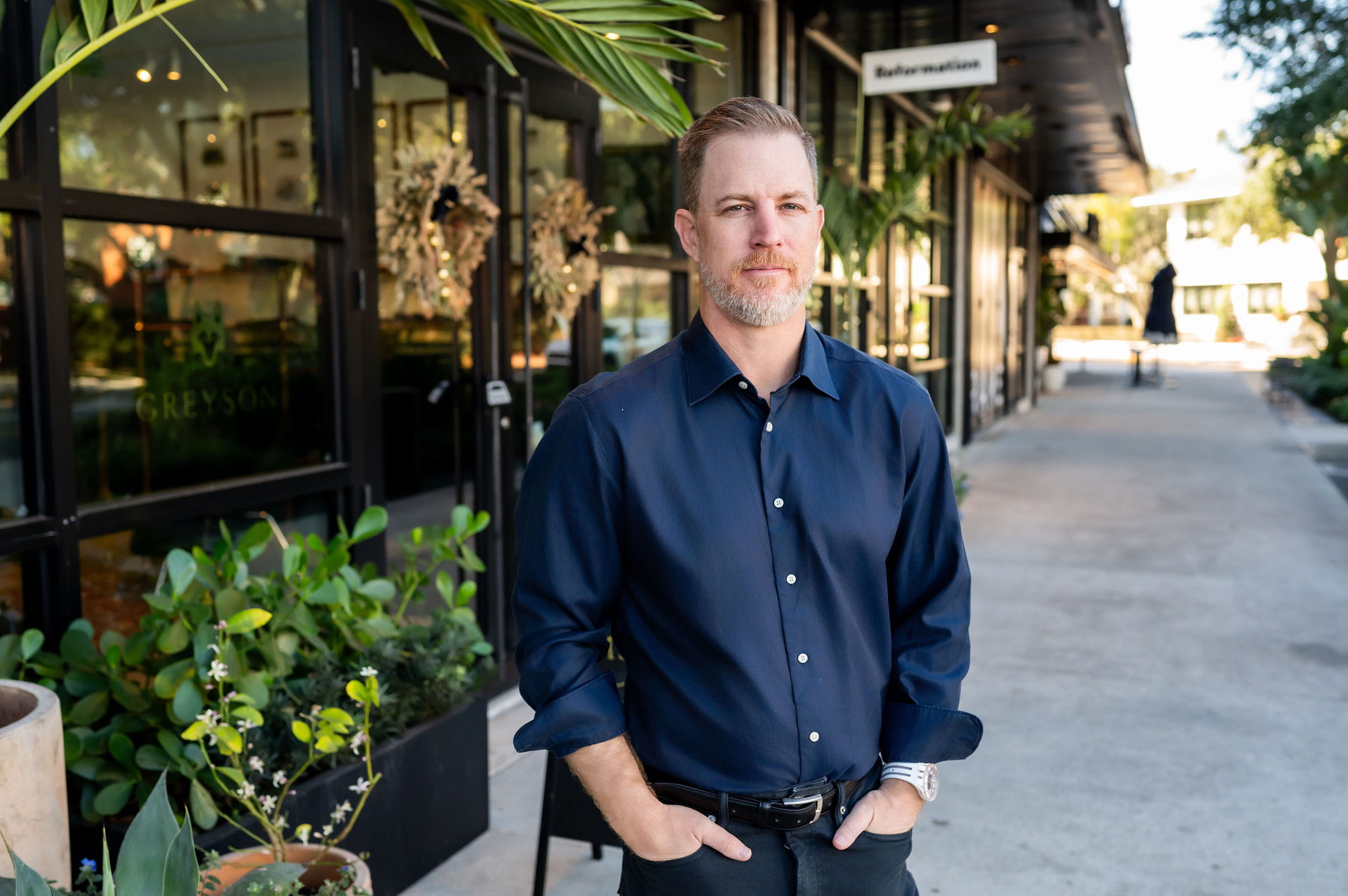
Ben Stechschulte founded StechLaw Criminal Defense and has practiced criminal law in the Tampa Bay area for nearly 15 years. He is board certified in criminal trial law by The Florida Bar, a distinction held by a small percentage of attorneys in the state, and he earned his law degree from Stetson University College of Law. Before entering private practice, he served as a Hillsborough County prosecutor, which gives us a clear view of how the government builds and charges financial crime cases. Super Lawyers named him a Rising Star in 2015.
A Record of Favorable Results
Federal mortgage fraud cases are demanding, and outcomes depend on preparation. A federal mortgage fraud attorney who knows the federal courts and how these financial cases are charged can identify weaknesses in the government’s theory early. Our track record in criminal matters includes dismissals, reduced charges, and acquittals. We handle mortgage fraud as part of our federal fraud defense practice and our broader federal criminal defense work, which lets us address related charges, forfeiture, and sentencing exposure in one coordinated strategy.
What Is Important To Understand About Federal Mortgage Fraud Cases?
Charges, Penalties, and Defense Strategies for Federal Mortgage Fraud Cases
Mortgage fraud is prosecuted under the federal fraud statutes, and the government must prove that a false statement was material and made with intent to defraud. Prosecutors often stack counts, so a single mortgage transaction can produce charges of federal bank fraud, wire fraud, and mail fraud alongside conspiracy. Penalties depend heavily on the loss amount attributed to the scheme.
- Prison exposure. Federal fraud convictions can carry substantial prison terms, and the recommended sentence rises sharply as the alleged loss amount increases.
- Financial penalties. Courts can impose fines and order restitution to lenders and other victims for the losses tied to the offense.
- Forfeiture. The government may seek to forfeit property, funds, or proceeds connected to the alleged fraud.
- Intent and materiality defenses. Many cases depend on whether a misstatement was intentional and whether it actually affected the lending decision. Honest mistakes and immaterial errors are not crimes.
- Loss amount challenges. Because the sentence follows the loss figure, contesting how the government calculates loss is often central to the defense, and the federal sentencing guidelines tie the offense level to that figure.
Federal fraud charges generally carry a five-year statute of limitations, and cases affecting a federally insured financial institution can extend to ten years.
What Are Important Aspects of a Federal Mortgage Fraud Case?
Several factors shape the direction of a federal mortgage fraud case, and each deserves attention early.
- The government’s evidence of intent usually comes from documents and communications rather than direct proof.
- The materiality of the alleged misstatement to the lender’s decision is frequently disputed.
- The loss amount shapes both the charging decision and the sentence.
- The matter may involve a single applicant or a broader conspiracy with multiple defendants.
- The point at which counsel becomes involved can affect whether charges are filed at all.
What Is The Federal Mortgage Fraud Case Timeline?
Federal cases move differently than state prosecutions, and most mortgage fraud matters follow a similar path. Knowing where you stand in that process helps you make informed decisions.
- An investigation comes first, with agents reviewing loan files and financial records, often for months, before any charge is filed. Many clients first learn they are under federal investigation through a subpoena or contact from an agent.
- The government may then send a target letter or issue a grand jury subpoena for records.
- A grand jury decides whether to return an indictment and formally charge the case.
- During pretrial litigation, the defense reviews discovery and files motions challenging the evidence or the government’s theory of loss.
- The case resolves through dismissal, a negotiated plea, or trial, with sentencing to follow if there is a conviction.
What Should You Bring to Your Federal Mortgage Fraud Consultation?
The materials below give us a useful starting point for evaluating a federal mortgage fraud case.
- Any target letter, grand jury subpoena, or charging document you have received.
- Loan applications, closing documents, and appraisals connected to the transaction.
- Correspondence with lenders, brokers, or agents, including email.
- Financial records such as bank statements and tax returns relevant to the loan.
During the consultation, we will review these materials, explain the likely charges and exposure, and outline the next steps. The meeting is free and confidential.
What Are Important Florida Legal Resources for Federal Mortgage Fraud Cases?
Federal mortgage fraud is investigated and prosecuted by more than one agency, and the resources below explain how these cases are handled and where to find dependable information. They are general references only and do not replace advice about your specific situation.
- The FHFA maintains fraud prevention guidance describing common mortgage fraud schemes seen in loan origination and servicing.
- The FHFA Inspector General investigates fraud connected to Fannie Mae, Freddie Mac, and the Federal Home Loan Banks and accepts reports from the public.
- The U.S. Attorney’s Office for the Middle District of Florida handles federal prosecutions in the district and posts announcements about charges and convictions.
Reach Out to StechLaw Criminal Defense to Schedule a Consultation
If you are facing a federal mortgage fraud investigation or charges, we are ready to review your case and explain your options. The initial consultation is free and confidential. Contact us to schedule a time to speak with a defense attorney who understands how these financial crime cases are built and defended. We handle federal cases across the Middle District of Florida.
Federal Mortgage Fraud Statistics in Florida
 Federal prosecutors file few mortgage fraud cases each year, but the cases they do file involve large losses. Sentencing Commission data for fiscal year 2025 shows both points. It also places the Middle District of Florida among the six federal districts with the most mortgage fraud sentencings.
- Of the 66,662 federal cases reported in fiscal year 2025, 47 involved mortgage fraud.
- The Middle District of Florida accounted for four of those 47 cases.
- The median loss in these cases was $849,584.
- Courts sentenced 79% of the defendants to prison, and the average sentence was 25 months.
- Most of those defendants were first-time offenders, with 89% having little or no prior criminal history.
Mortgage fraud is a small part of a much larger fraud caseload in Florida’s Middle District. According to the Commission’s district sentencing statistics, 187 people were sentenced there for fraud, theft, or embezzlement in fiscal year 2025. That number was 12.2% of the district’s 1,528 sentencings. Nearly all of the district’s cases ended without a trial, with about 96% resolved by a guilty plea. For that reason, a Florida federal mortgage fraud lawyer concentrates on the evidence and the loss calculation long before a trial date is set.
Mistakes That Can Damage Your Federal Mortgage Fraud Case
Most mortgage fraud investigations are well underway before the borrower, broker, or appraiser learns about them. By that point, agents already have the loan file, so the person’s own conduct becomes the newest source of evidence. A federal mortgage fraud attorney can help you avoid the mistakes that most often add to the government’s case.
- Speaking with investigators alone. When a federal agent calls to request an interview, the agent has usually reviewed the loan file already. The questions are meant to confirm what the documents suggest, and your answers can be used as evidence of intent. You can decline the interview and refer the agent to your attorney instead.
- Assuming you are only a witness. Agents sometimes tell people that they are not the focus of the investigation. That assurance is informal, and a person’s status as a witness, subject, or target can change as agents collect more records.
- Contacting other people involved in the loan. Many people want to compare recollections with a co-borrower, loan officer, or appraiser once they learn of an investigation. Those conversations are not confidential, however, and any of those people may already be cooperating with the government.
- Altering or discarding records. Deleting emails or throwing away closing documents after learning of an investigation makes a case harder to defend. Prosecutors can present the missing records as proof of intent, so every document should stay exactly as it is.
- Answering questions during a search. Agents who execute a search warrant are there to collect the items listed in it. You don’t have to explain those documents or answer questions while they do. Ask for a copy of the warrant and call a federal mortgage fraud defense lawyer.
- Producing subpoenaed records without review. A grand jury subpoena for loan records comes with a deadline, which leads many people to gather documents quickly on their own. An incomplete production can look like concealment, and an overbroad one hands over records that were never requested.
- Attending a proffer session unprepared. Prosecutors may offer a meeting under a proffer letter, which gives only limited protection for what you say. Your attorney should review the evidence with you before you agree to that meeting.
- Treating repayment as the end of the matter. Paying off or refinancing the loan does not close a federal investigation. Repayment can lower the loss figure, but the case is based on the statements made when the loan was approved.
Florida Federal Mortgage Fraud Lawyer FAQs
Does StechLaw Criminal Defense Offer Free Consultations for Federal Mortgage Fraud Cases?
We offer a free and confidential consultation for federal mortgage fraud matters. Most clients use that meeting to decide how to respond to an agent, a subpoena, or a target letter. We encourage you to schedule it before you reply to any of them.
Who Will Handle My Case?
Ben Stechschulte personally handles every federal mortgage fraud case at StechLaw Criminal Defense. He is our only attorney, which means the lawyer you meet at the consultation is the same lawyer who reviews the discovery and appears in court with you.
Can Real Estate and Lending Professionals Be Charged?
Borrowers are not the only people charged in these cases. Federal prosecutors also charge loan officers, appraisers, and closing agents when they believe a professional took part in a false application. For a licensed professional, a charge can also draw the attention of state regulators. A mortgage fraud defense attorney should therefore address the license from the start of the case.
Can I Be Charged for a Loan That Closed Years Ago?
An older loan can still lead to charges. Federal fraud charges generally must be filed within five years of the offense, but the statute of limitations is ten years for bank fraud and for mail or wire fraud that affects a financial institution. Because a lender is involved in nearly every mortgage, many of these cases fall under the longer period.
Will I Be Held in Jail While My Case Is Pending?
Many people charged with federal fraud remain out of custody while the case is pending. A magistrate judge decides the question of release at or shortly after the first court appearance. When the judge orders release, it usually comes with conditions such as travel limits and regular reporting.
Will I Have to Pay Restitution if I Am Convicted?
A conviction usually brings a restitution order, which requires repayment of the losses that lenders and other victims suffered. The amount is often disputed, because proceeds from a sale of the property and payments already made on the loan can reduce it.
Can the Government Take My Home or Bank Accounts?
The government can pursue property that it connects to the alleged fraud, including a home or a bank account. These asset seizures sometimes happen before any conviction. We review the basis for a seizure, and we contest it in court when the property is not tied to the alleged offense.
Do Most Federal Mortgage Fraud Cases Go to Trial?
Most federal cases end in a plea agreement, as the district statistics above show. That pattern does not decide your case, because the choice between a plea and a trial belongs to you. We test the government’s evidence first so that you can make that choice with an accurate view of the risk on each side.
Where Will My Case Be Heard?
The location of the alleged conduct usually determines the court. Florida has three federal districts, and a case is generally filed in the district where that conduct took place. A case tied to a property or lender in the Tampa Bay area would normally be heard in the Tampa Division of the Middle District.
What Is the Difference Between State and Federal Mortgage Fraud Charges?
Both state and federal prosecutors can charge mortgage fraud in Florida, and the main difference is which cases each one takes. Federal prosecutors usually take cases that involve federally insured lenders, larger losses, or conduct that crossed state lines. Because the same loan can be charged in either court, an FL federal mortgage fraud lawyer should be familiar with both systems.
Important Resources for Florida Federal Mortgage Fraud Cases
Florida Federal Courthouses and Local Criminal Justice Resources
Florida is divided into three federal judicial districts: the Northern, Middle, and Southern Districts. The Middle District covers the Tampa Bay area and holds court in five divisions, including Tampa, Orlando, and Jacksonville. Federal mortgage fraud cases from the Tampa Bay area are assigned to the Tampa Division. There, the early hearings before a magistrate judge and the later proceedings before the district judge take place in the same courthouse.
What Are Important Local Resources for Florida Federal Mortgage Fraud Cases?
A federal mortgage fraud case in Tampa, FL involves several agencies besides the prosecutor’s office, and each one has a role at a different stage. We list them for general information only, and their inclusion is not an endorsement by StechLaw Criminal Defense.
- The Sam M. Gibbons Courthouse in Tampa hosts federal criminal hearings and trials for the Tampa Division. The clerk’s office can be reached at (813) 301-5400.
- The U.S. Marshals Service for the Middle District of Florida has custody of people who are detained before trial. Its Tampa office can be reached at (813) 483-4200.
- The U.S. Probation Office for the Middle District of Florida prepares presentence reports and supervises people on probation or supervised release. Its main number in Tampa is (813) 301-5600.
- Florida’s Office of Financial Regulation licenses mortgage brokers, mortgage lenders, and loan originators in the state. The agency’s phone number is (850) 487-9687.
About StechLaw Criminal Defense
StechLaw Criminal Defense represents only the accused, in state and federal court. Our founder, Ben Stechschulte, is a native Floridian who was born and raised outside West Palm Beach and now lives in Tampa with his two children. Clients who hire a Florida federal mortgage fraud attorney at our firm work directly with him from the first meeting through the end of the case.
What Our Clients Say
★★★★★
“Ben is a true professional, and excellent advocate! I have coordinated with him on several complex federal white collar cases, and can say without a doubt that he communicates clearly and thoroughly at every step of the way, while zealously advocating for his clients rights. Highly recommend working with Ben and his team!” — Rebecca Deming
Read more reviews on our Google Business Profile.
Additional Resources for Florida Federal Mortgage Fraud Cases
- What is a Suspicious Activity Report (SAR)?
- Is Fraud Always a Federal Crime?
- What are the Federal Sentencing Guidelines for Fraud Cases?
- Crypto Mortgages and Federal Scrutiny
Contact StechLaw Criminal Defense
We can do the most for a client who calls before charges are filed, although we accept cases at every stage. StechLaw Criminal Defense offers a free and confidential consultation with a federal mortgage fraud attorney. During that meeting, Ben Stechschulte reviews the documents you have received and explains the likely charges. He then tells you which steps to take next and which to avoid. Our phones are answered 24 hours a day, so you can reach us as soon as an agent or a subpoena arrives. Contact us to schedule your consultation with a Florida mortgage fraud defense lawyer.