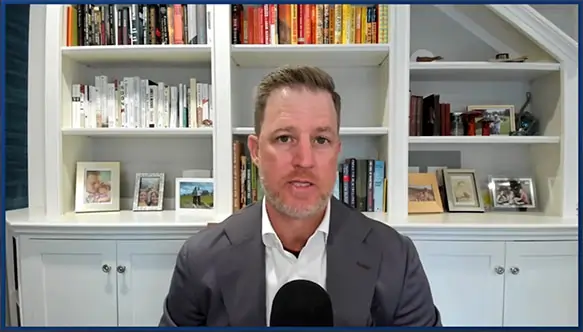


StechLaw Criminal Defense attorney Ben Stechschulte recently appeared on NPR to provide commentary on U.S. military operations targeting drug smugglers. The broadcast examined the government’s controversial use of lethal force against boats suspected of carrying narcotics and whether these strikes actually reduce drug trafficking.
Background on the Military Campaign
The NPR report centered on U.S. military strikes against boats in international waters. Since September, the military has conducted nearly three dozen lethal attacks, killing at least 126 people. The policy targets vessels suspected of smuggling drugs from South America, particularly cocaine shipments headed toward the United States. Reporter John Otis traveled to Colombia’s Caribbean coast to investigate the campaign’s effectiveness. The segment included interviews with fishermen, Colombian navy officials, and legal experts. The report revealed that European allies, including the United Kingdom, the Netherlands, and France, have stopped sharing intelligence with the U.S. because they consider the boat bombings unlawful executions. Colombian authorities take a different approach. Their navy captures drug boats rather than destroying them, which allows for arrests, prosecutions, and intelligence gathering about trafficking networks.
Stechschulte’s Analysis on Drug Cartel Operations
The Tampa drug defense lawyer appeared in the segment to explain why military strikes don’t change cartel behavior. His experience defending suspected drug smugglers from Latin America gives him direct insight into how these organizations operate and make decisions. When asked about the bombing campaign’s impact, Stechschulte was clear and direct.
“I don’t think it has any deterrent effect,” he told NPR.
His reasoning cuts to the heart of how cartels view risk and profit. Drug trafficking generates such enormous revenue that losing shipments doesn’t discourage operations. Organizations simply accept these losses as part of their business model.
“The drug cartels kind of figure out, OK, we’re going to lose some of these shipments. Right?” Stechschulte explained.
This economic reality makes deterrence through force largely ineffective. Cartels can afford to lose boats, cargo, and even personnel while still maintaining profitable operations. The profit margins on cocaine remain so high that destroyed shipments barely register as a financial concern.
The Data Contradicts Government Claims
Stechschulte’s assessment aligns with the evidence presented in the NPR report. President Trump claimed the bombings stopped 97% of illegal drugs coming into the U.S. by water. However, actual seizure data tells a different story. During the last three months of 2025, when the bombing campaign was in full force, drug seizures at the U.S.-Mexican border actually increased. According to U.S. Customs and Border Protection data, seizures were up 34% compared to the same period in 2024, when no bombings occurred. Drug policy analysts explained why this happens. Most boats don’t sail directly to the United States. Instead, they drop cargo in Central America or Mexico. From there, drugs travel overland to the U.S. border. Bombing boats in the Caribbean doesn’t disrupt this supply chain because it doesn’t address the actual trafficking routes.
Why Traditional Law Enforcement Works Better
The Tampa drug defense lawyer understands both sides of drug cases. His work defending clients charged with trafficking gives him perspective on what actually impacts criminal organizations. Capturing suspects alive provides several advantages that bombing doesn’t:
- Defendants can provide intelligence on broader networks
- Prosecutions create legal consequences that matter
- Evidence gathered leads to additional investigations
- Financial assets can be seized and forfeited
The Colombian navy demonstrates this approach. A navy captain interviewed for NPR explained that his forces recently seized a go-fast boat carrying 4.5 tons of cocaine. The suspects faced arrest and prosecution. The intelligence gathered helps identify other trafficking operations. Meanwhile, bombing boats simply destroys evidence and kills potential witnesses. It creates headlines but doesn’t generate the kind of actionable intelligence that dismantles organizations.
Legal Expertise Matters in Drug Cases
Stechschulte’s appearance on a national NPR broadcast reflects his standing as a knowledgeable voice on drug trafficking issues. His practical experience with these cases gives him insight that goes beyond theory. He understands how cartels operate, how federal prosecutors build cases, and what defense strategies actually work. If you’re facing drug trafficking charges or other serious criminal allegations, working with an attorney who understands the federal system makes a real difference. Contact us to discuss your case and learn about your legal options.